Symptoms:
Went through the flush and cleaning of the solenoids, found some dark
matter, used a magnet. Put it all back and bam limp mode and the P0748
code is persistent. Took it apart, tested the solenoids for clicking at
12v just the blue click the black make a different noise more like a
buzzing.
Resistance is 5.6 plus or minus 0.2 so good.
Mercedes W212 diagnostic tool to use:
Usually the issue with the conductor plate is the speed sensors… if
you have access to Star (Xentry), then pull codes with it and clear
them. Some generic scanners cannot clear TCM codes. I’d do that first…
before going down the rabbit hole. Also with Xentry, you’ll have options to run guided tests, along with diag info.
Outfits that fix your original conductor plate won’t require coding or adaptation.
If you get a new one from dealer or outfit selling virginized (used),
then you’ll need someone with Xentry online to unlock and code the
plate. Then with Xentry offline you perform adaptations.
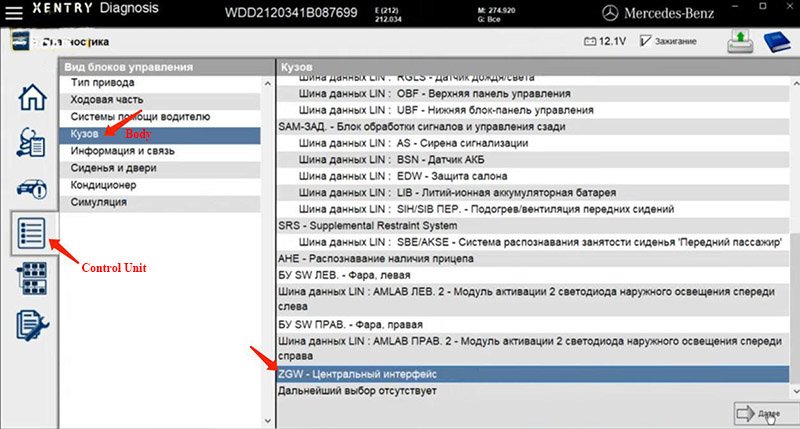
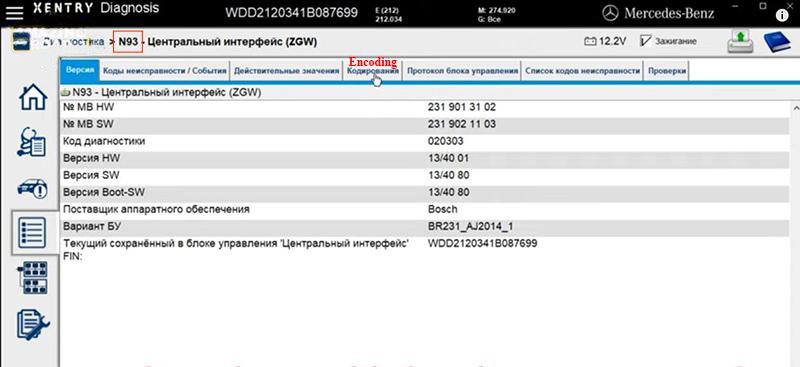
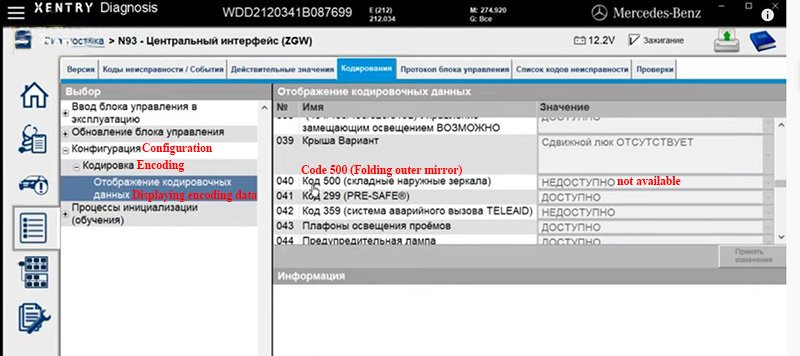
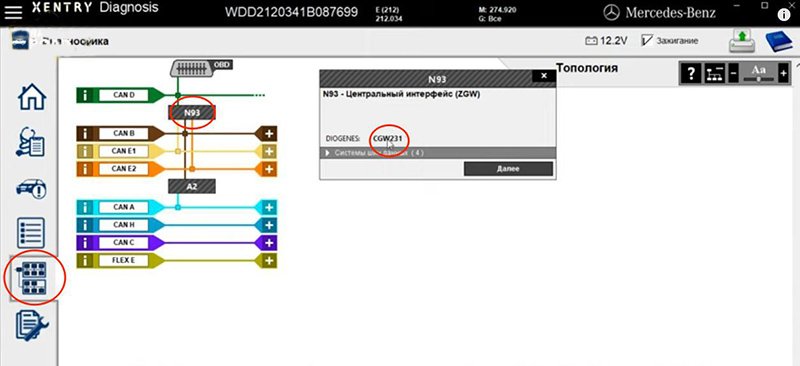
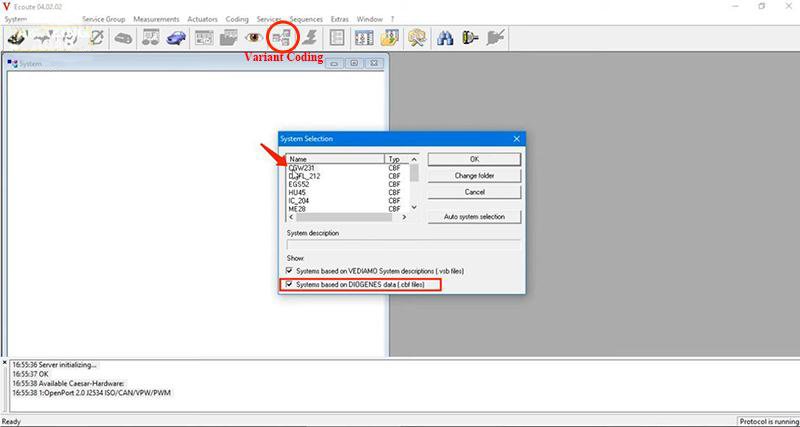
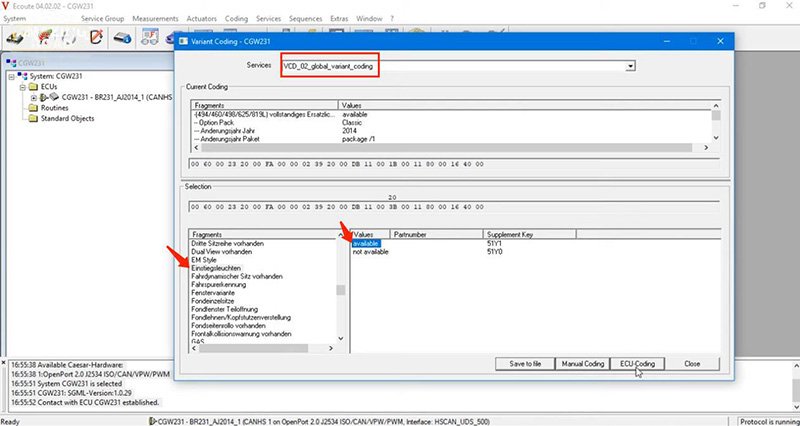
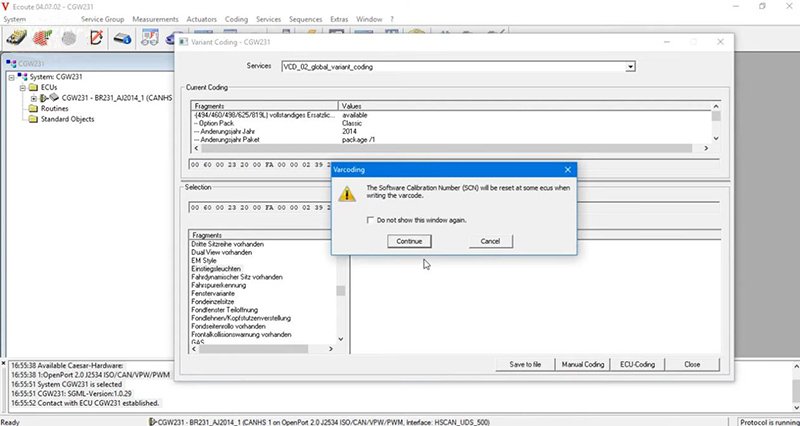
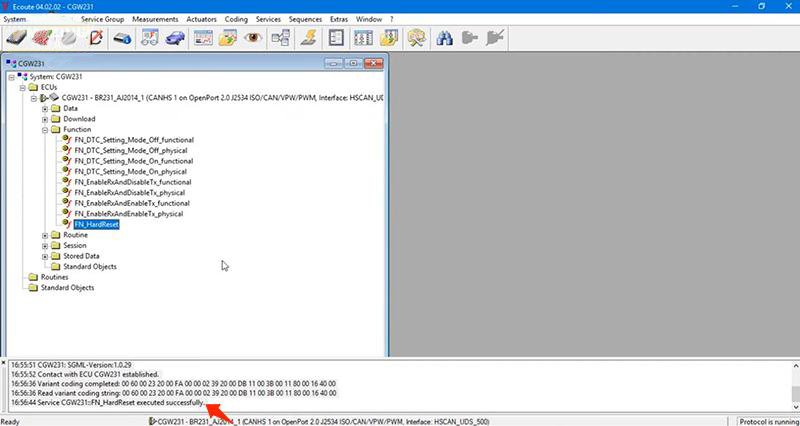
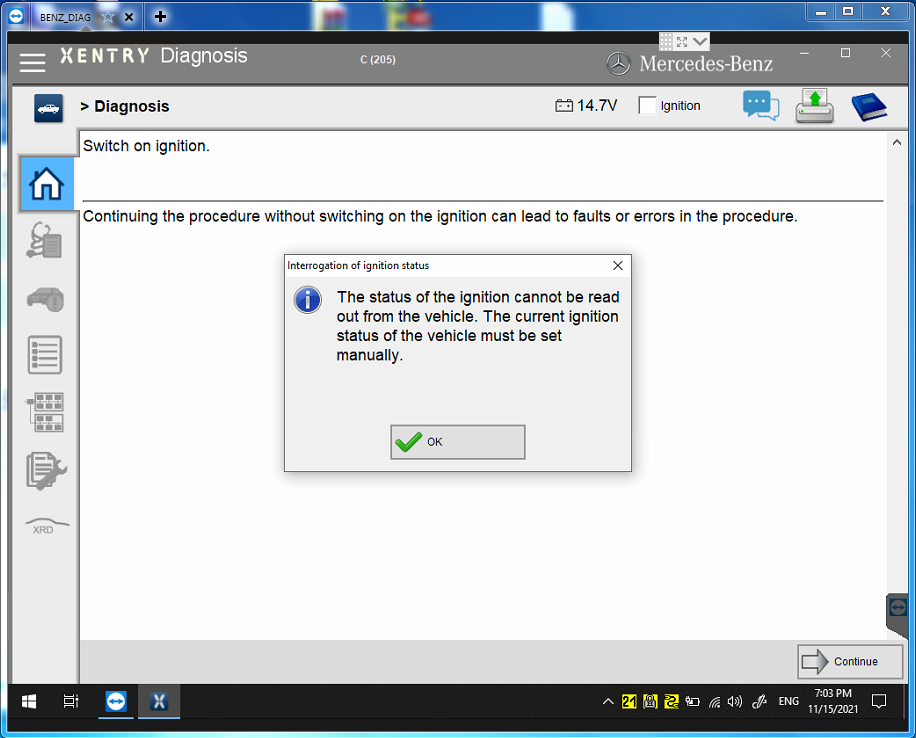
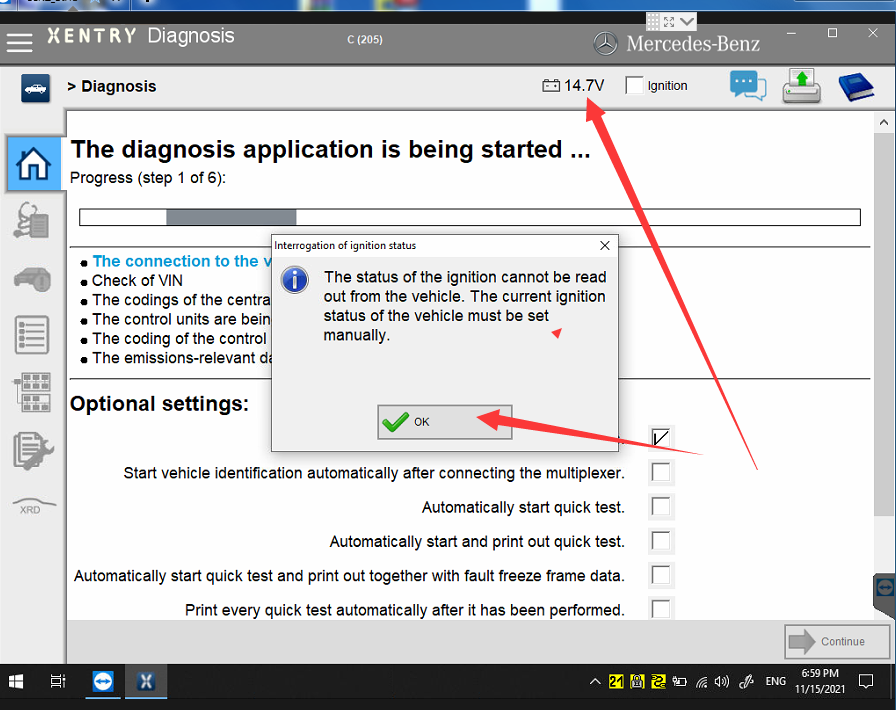
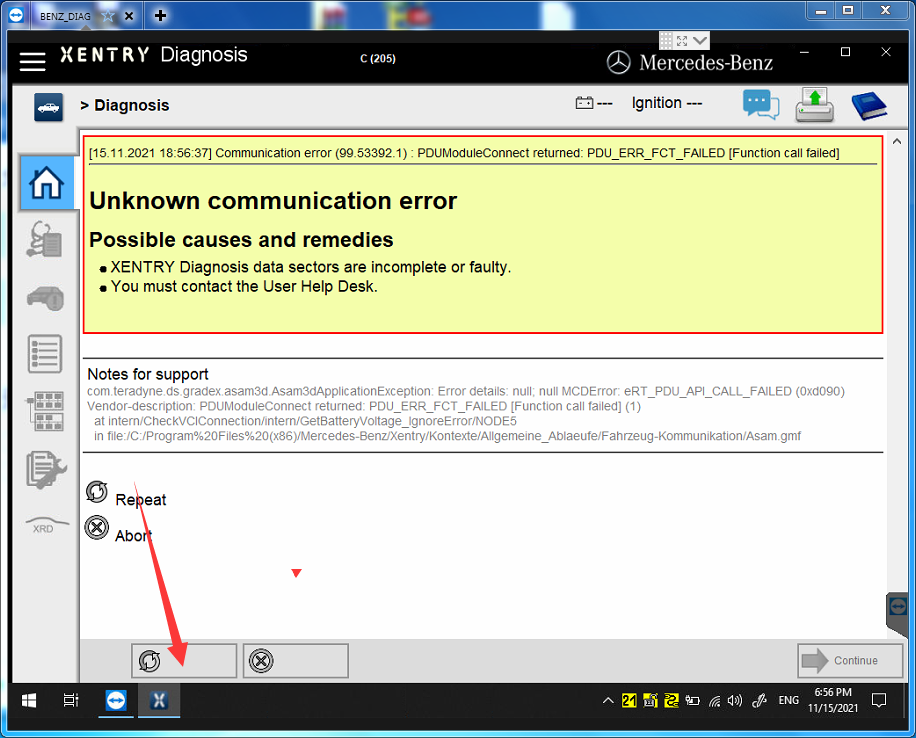
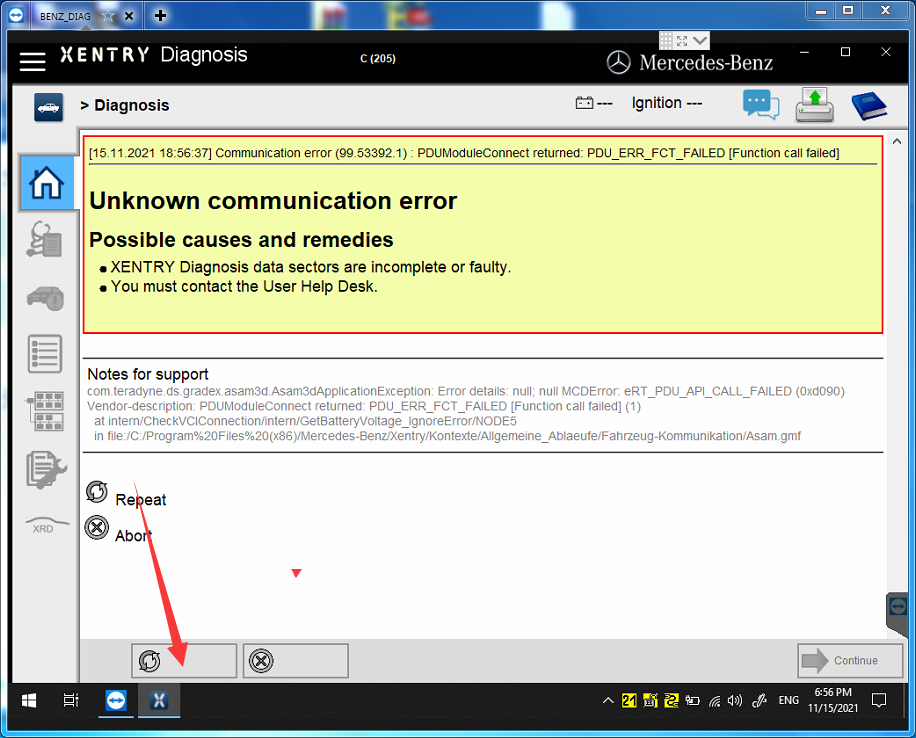
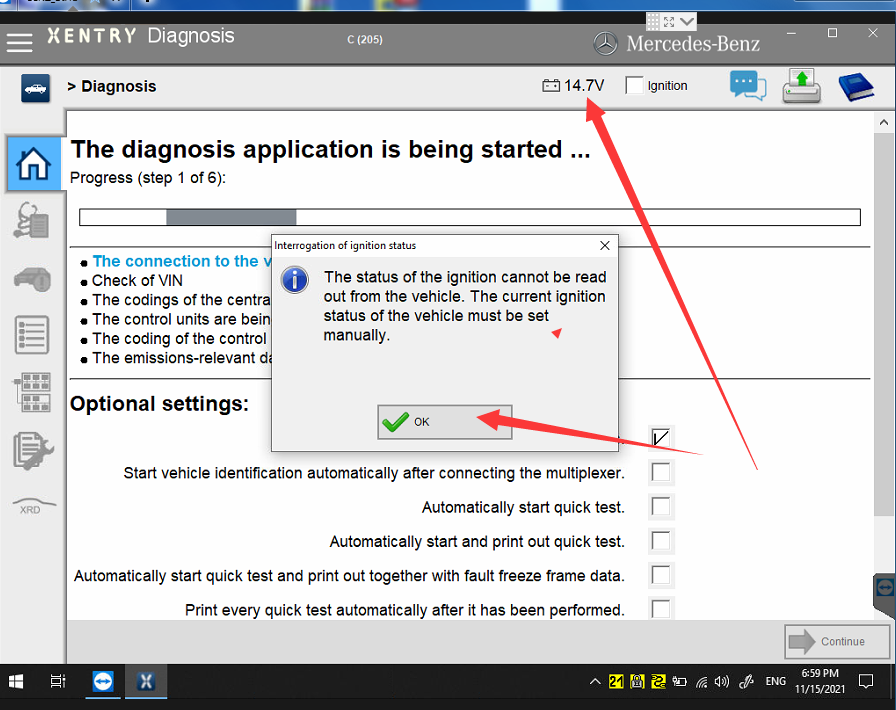
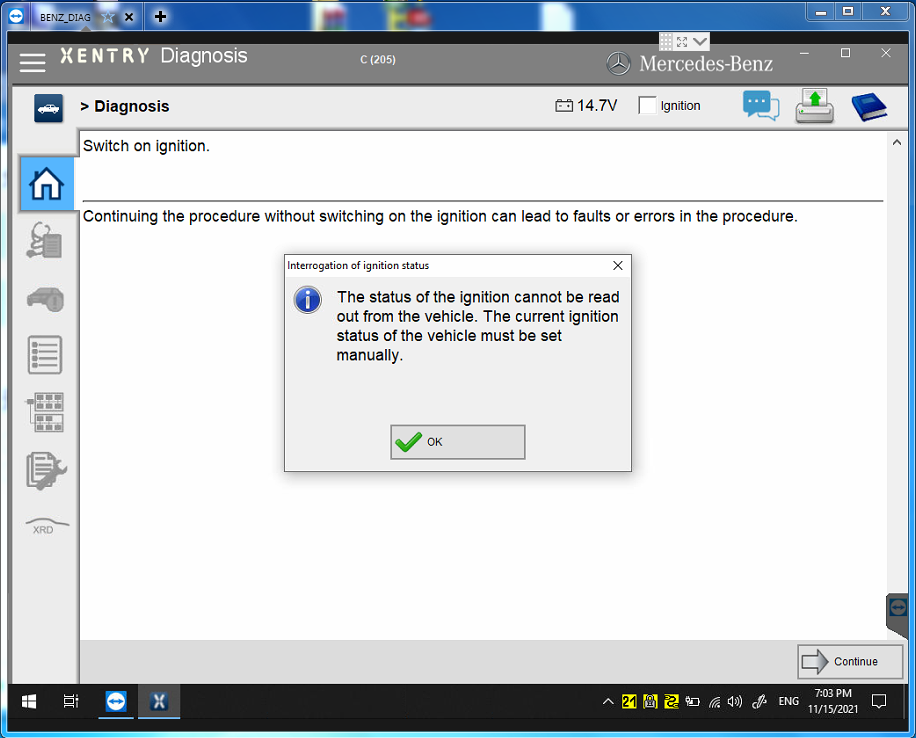
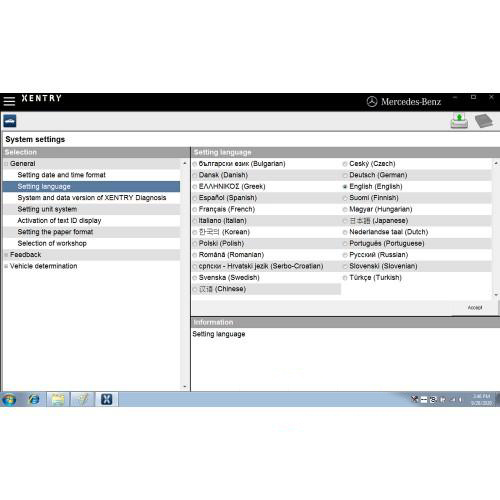
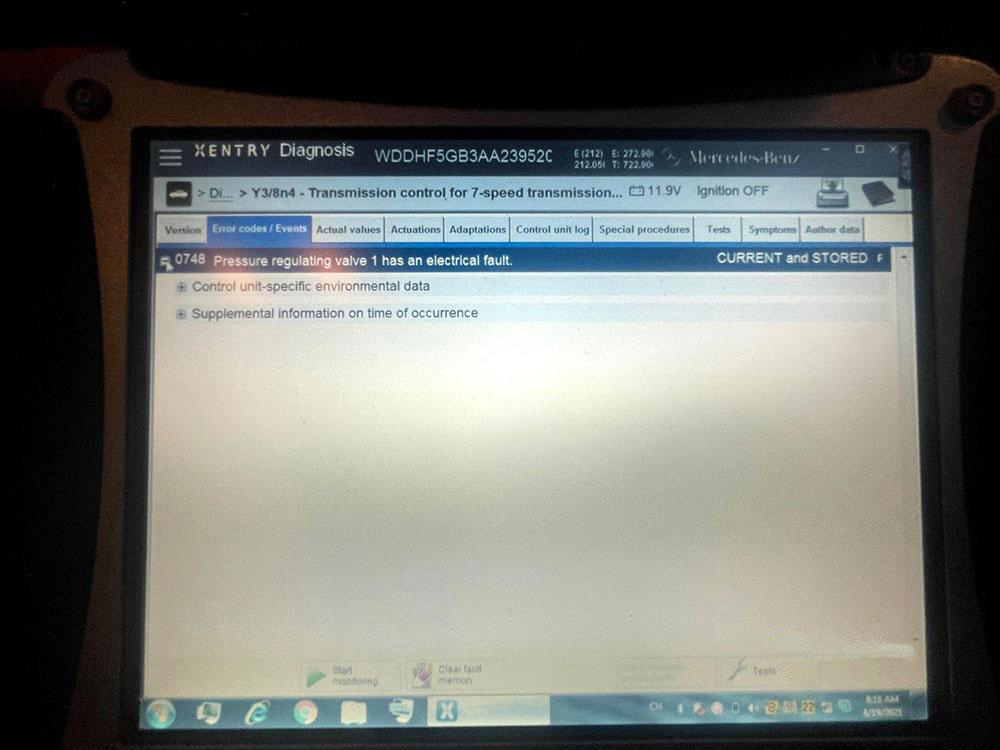
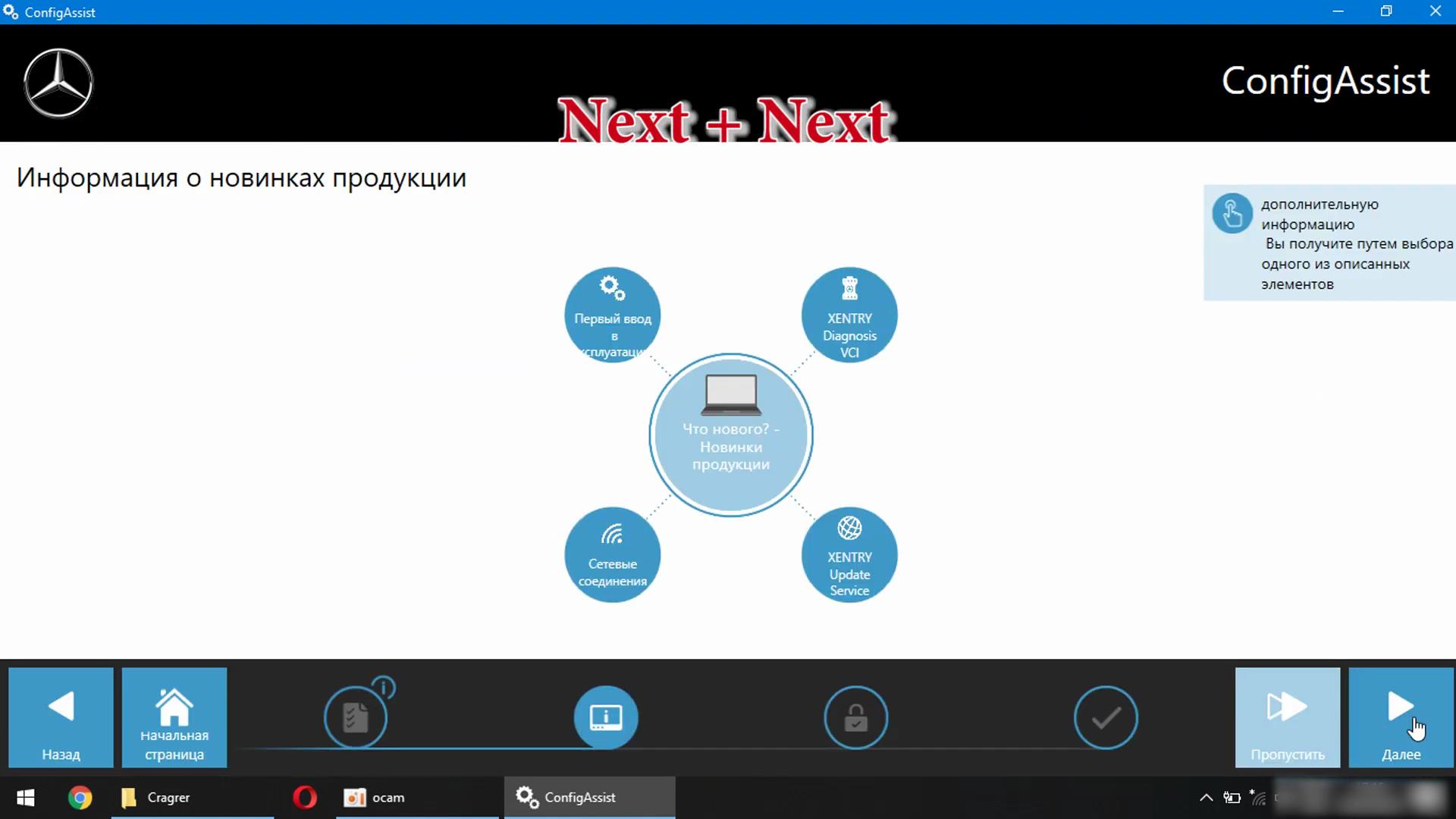
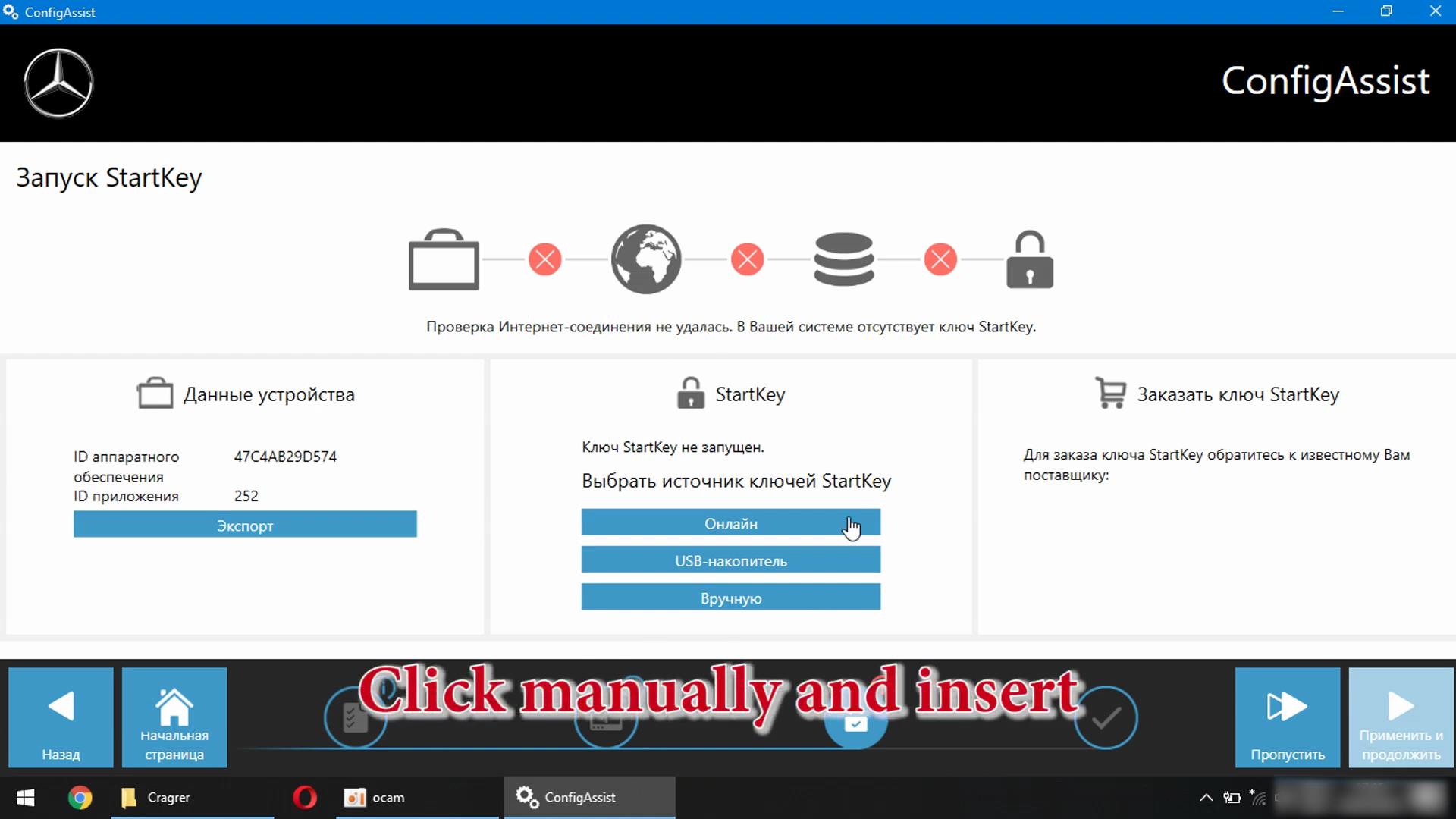
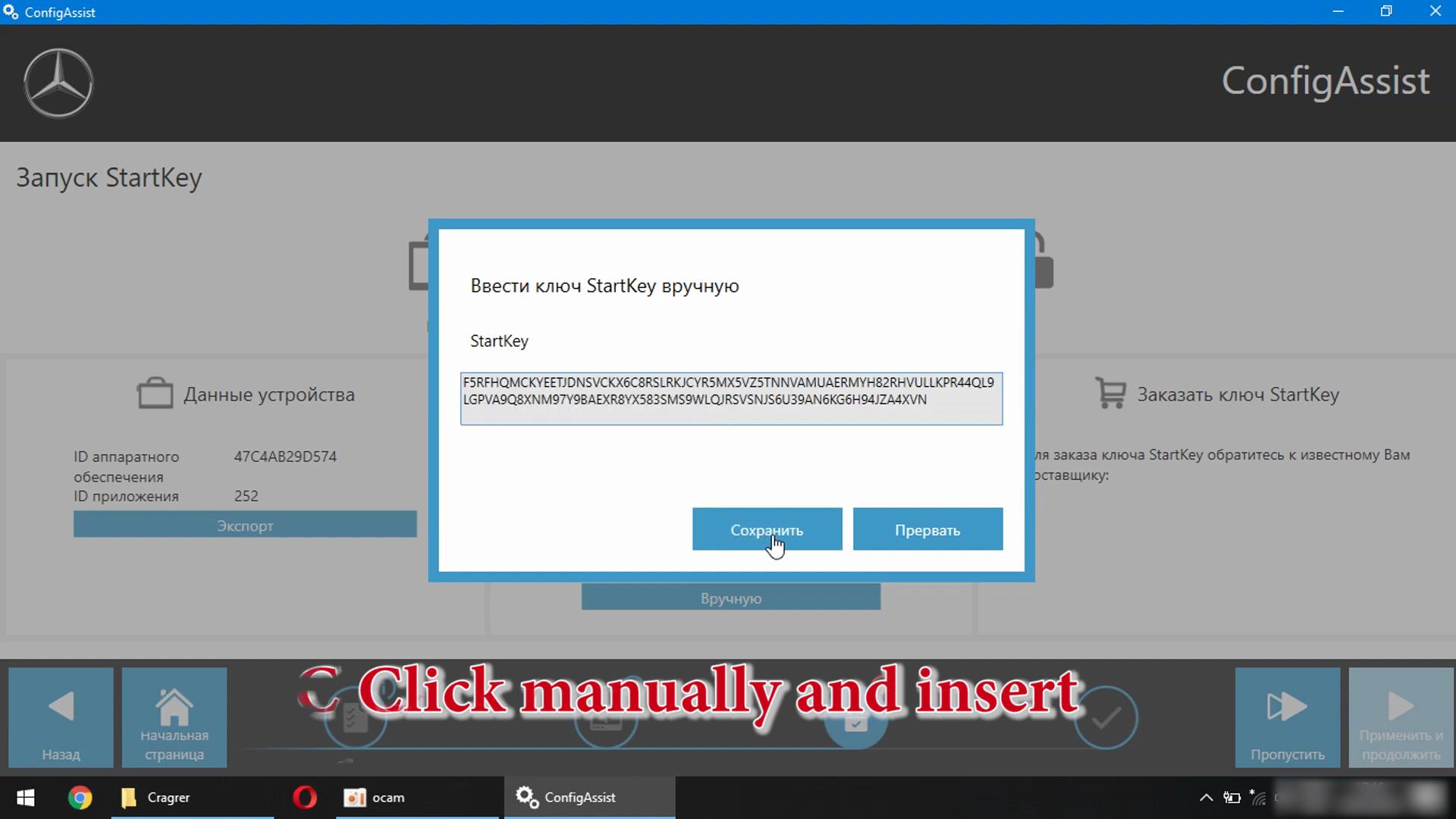
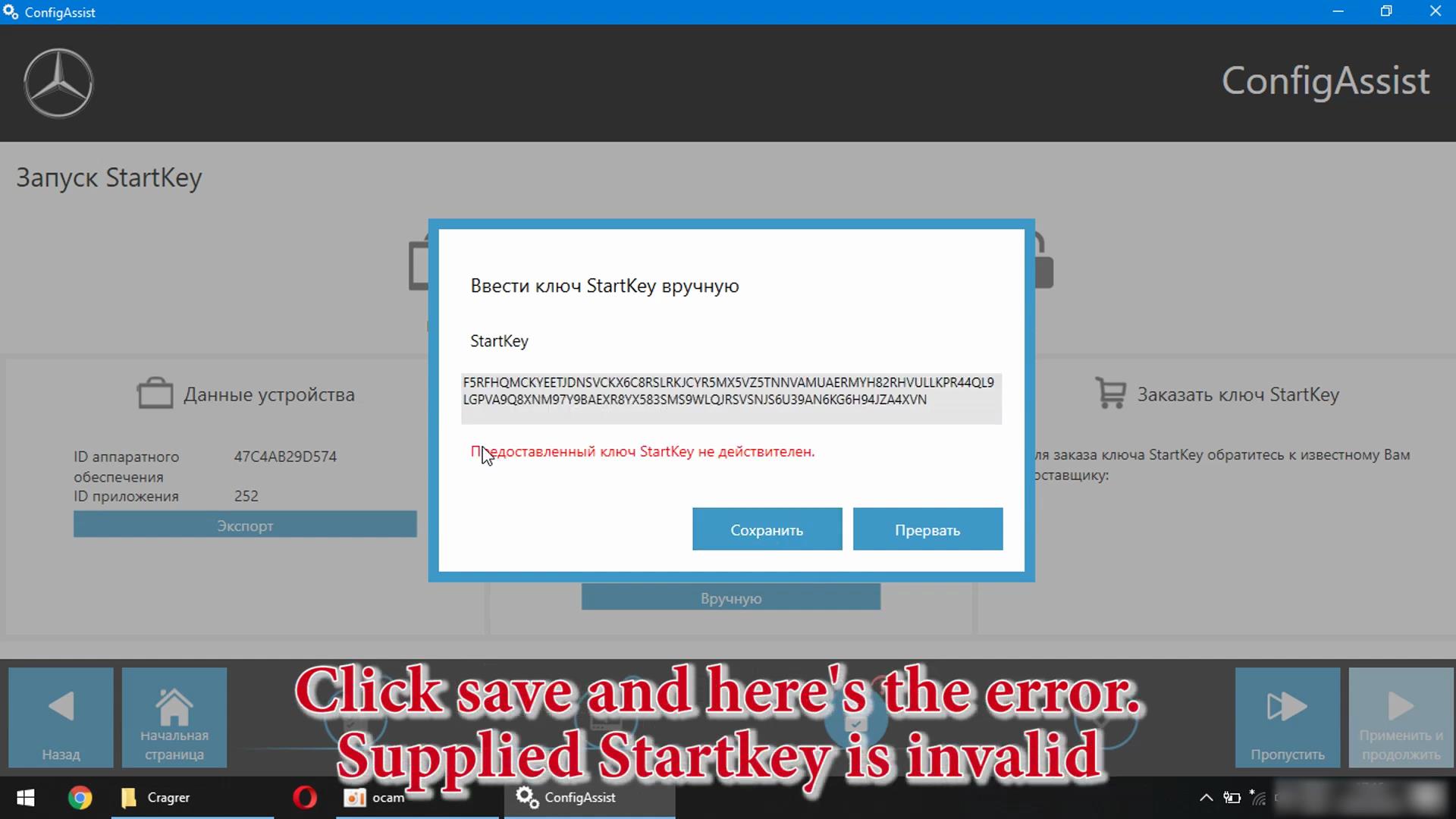
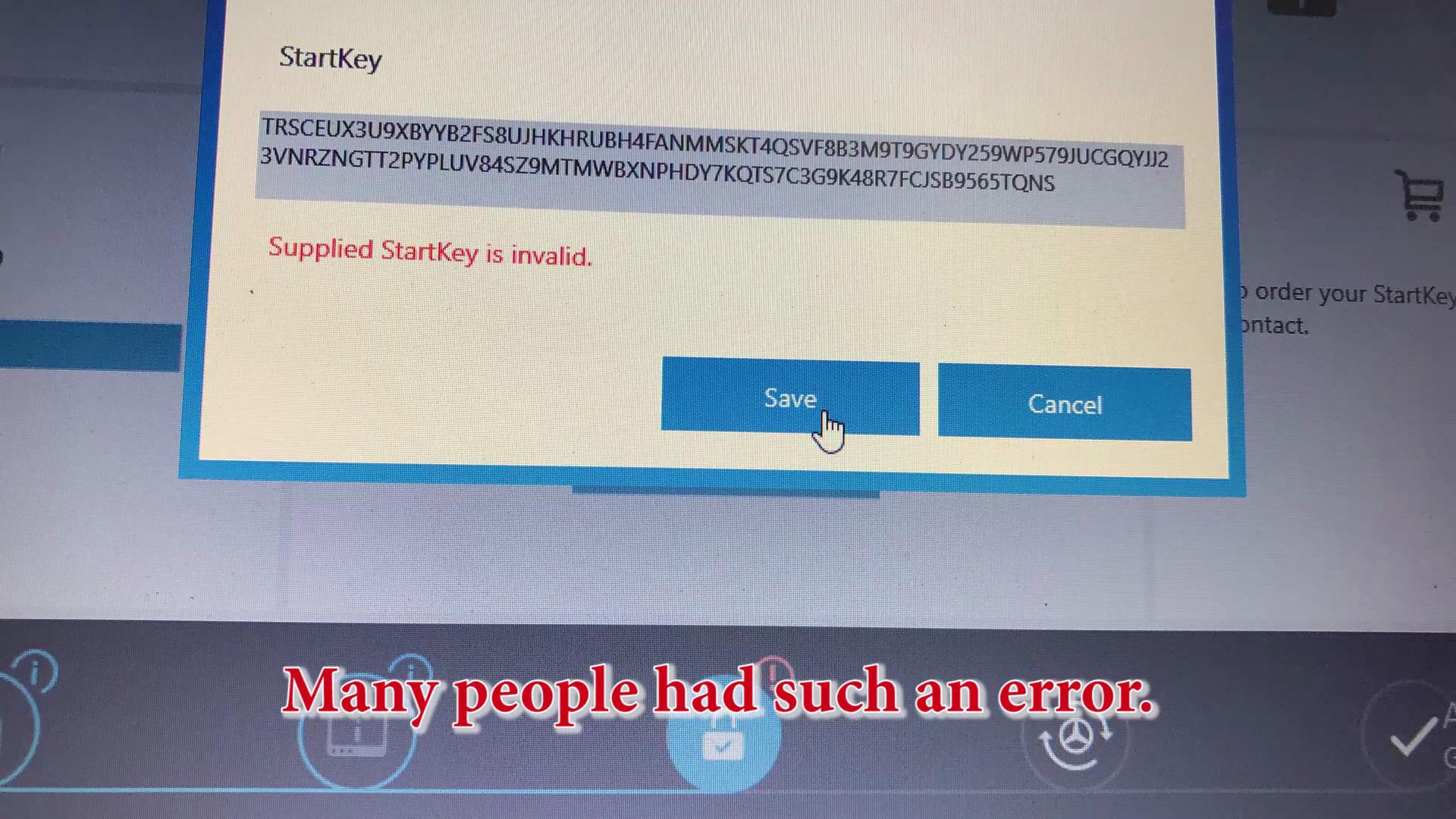
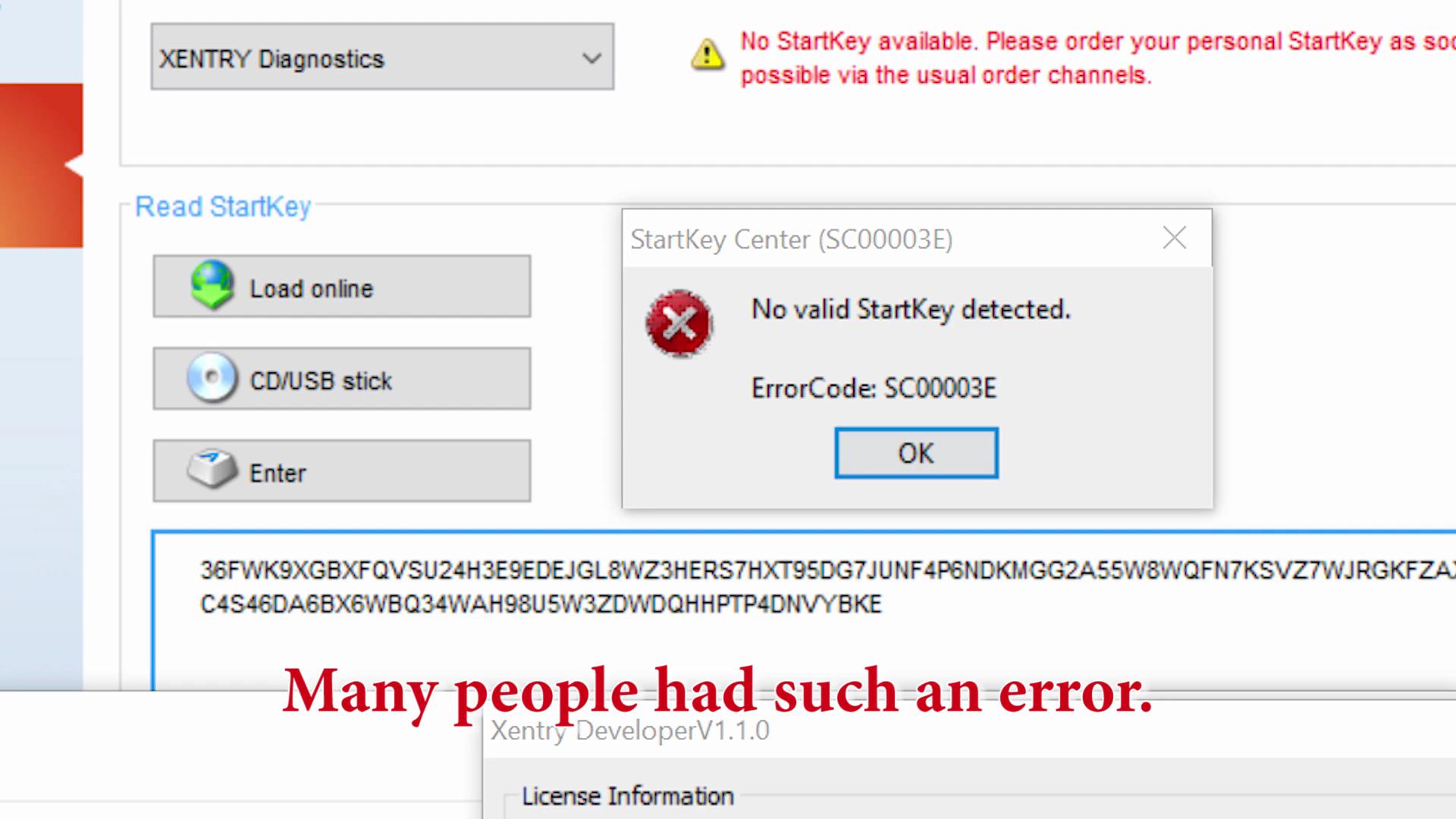
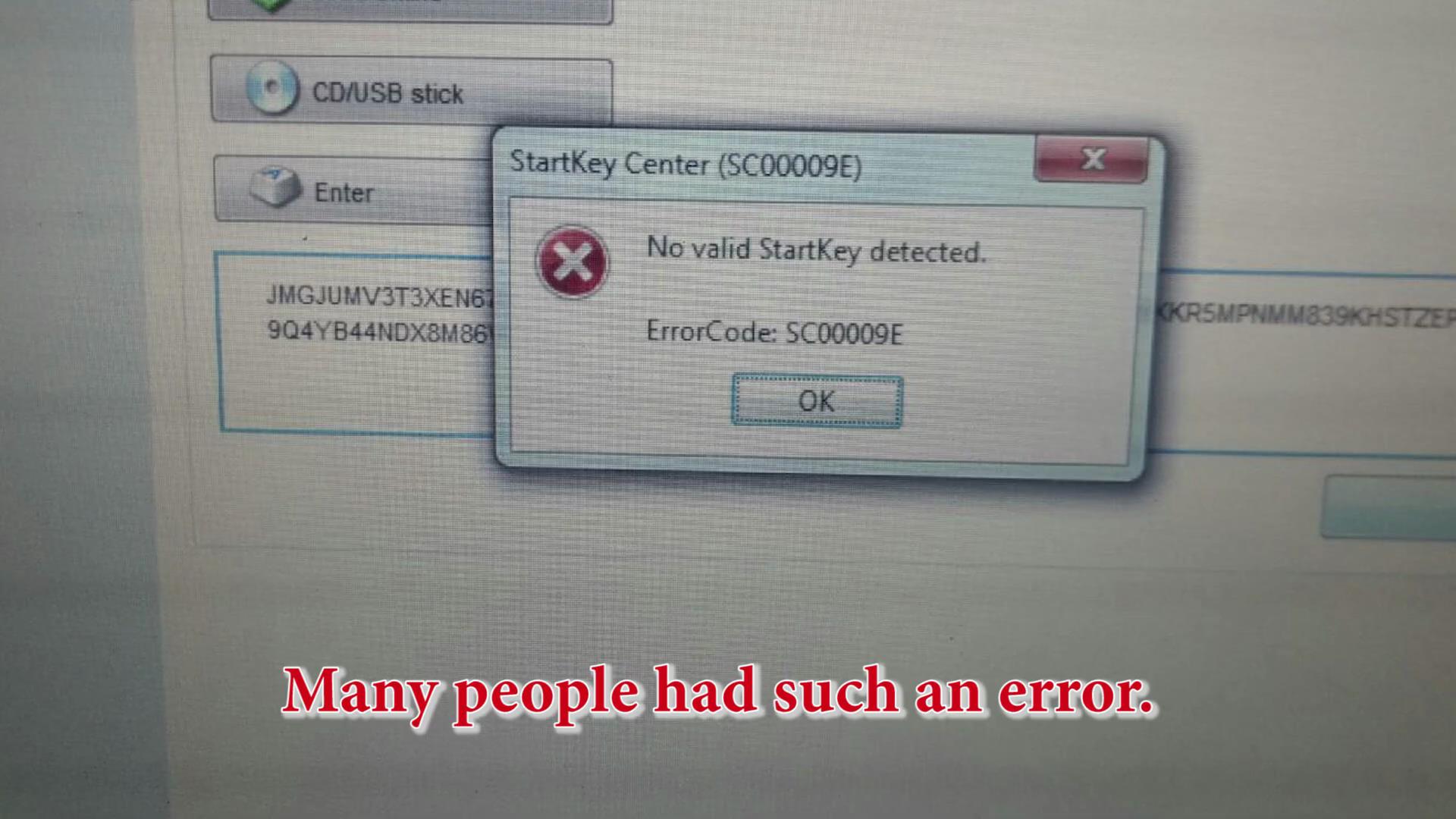
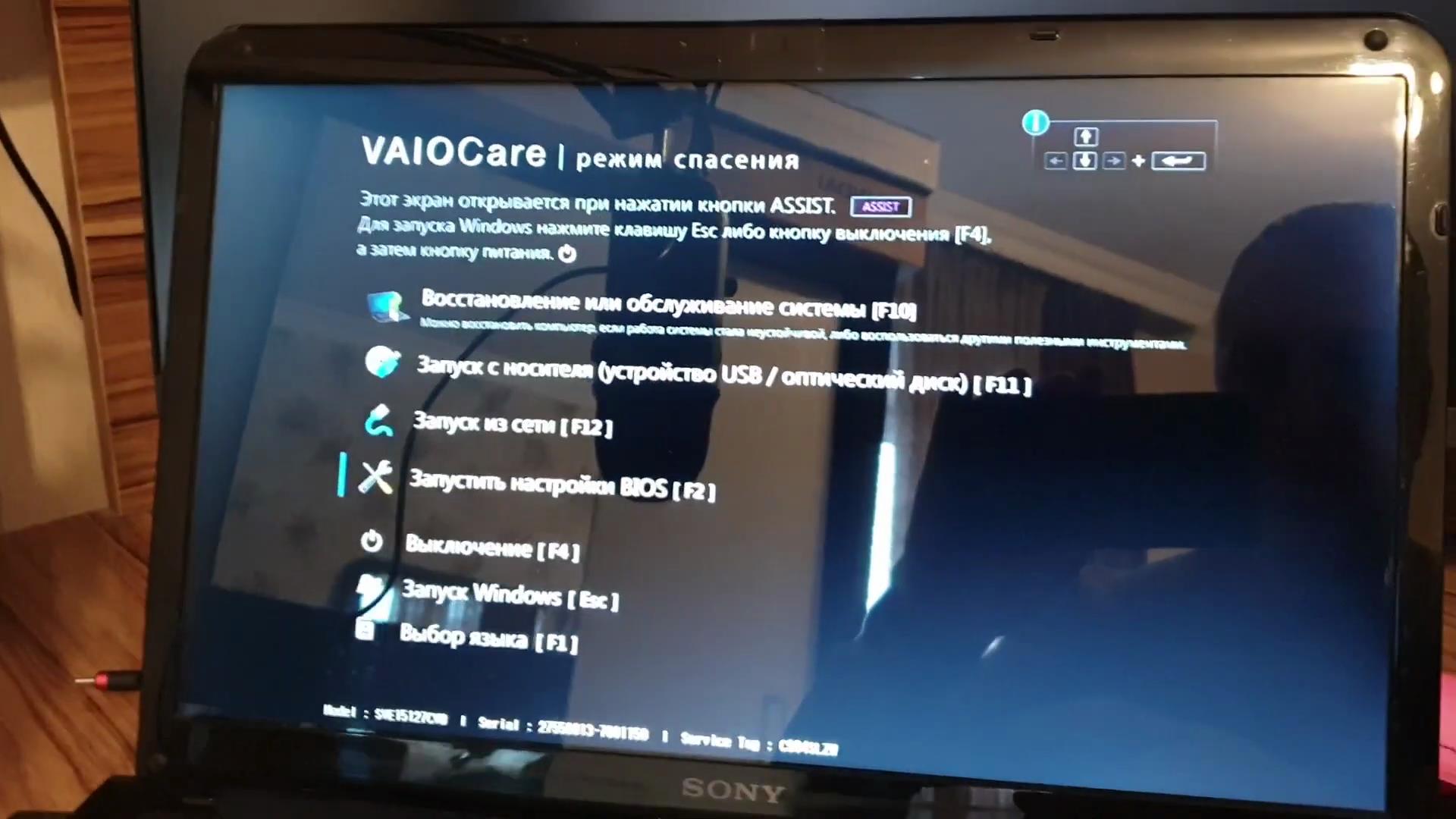
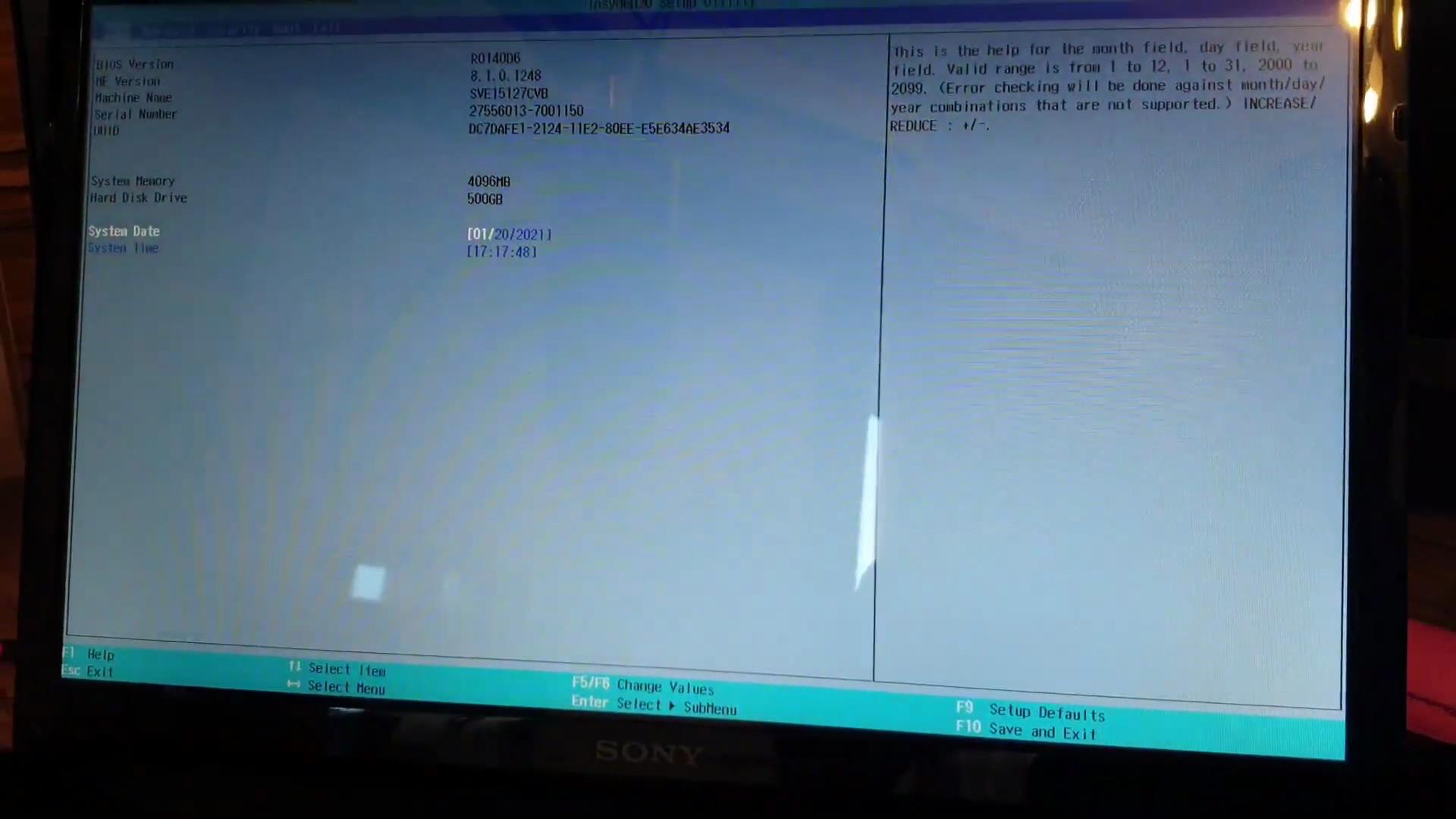
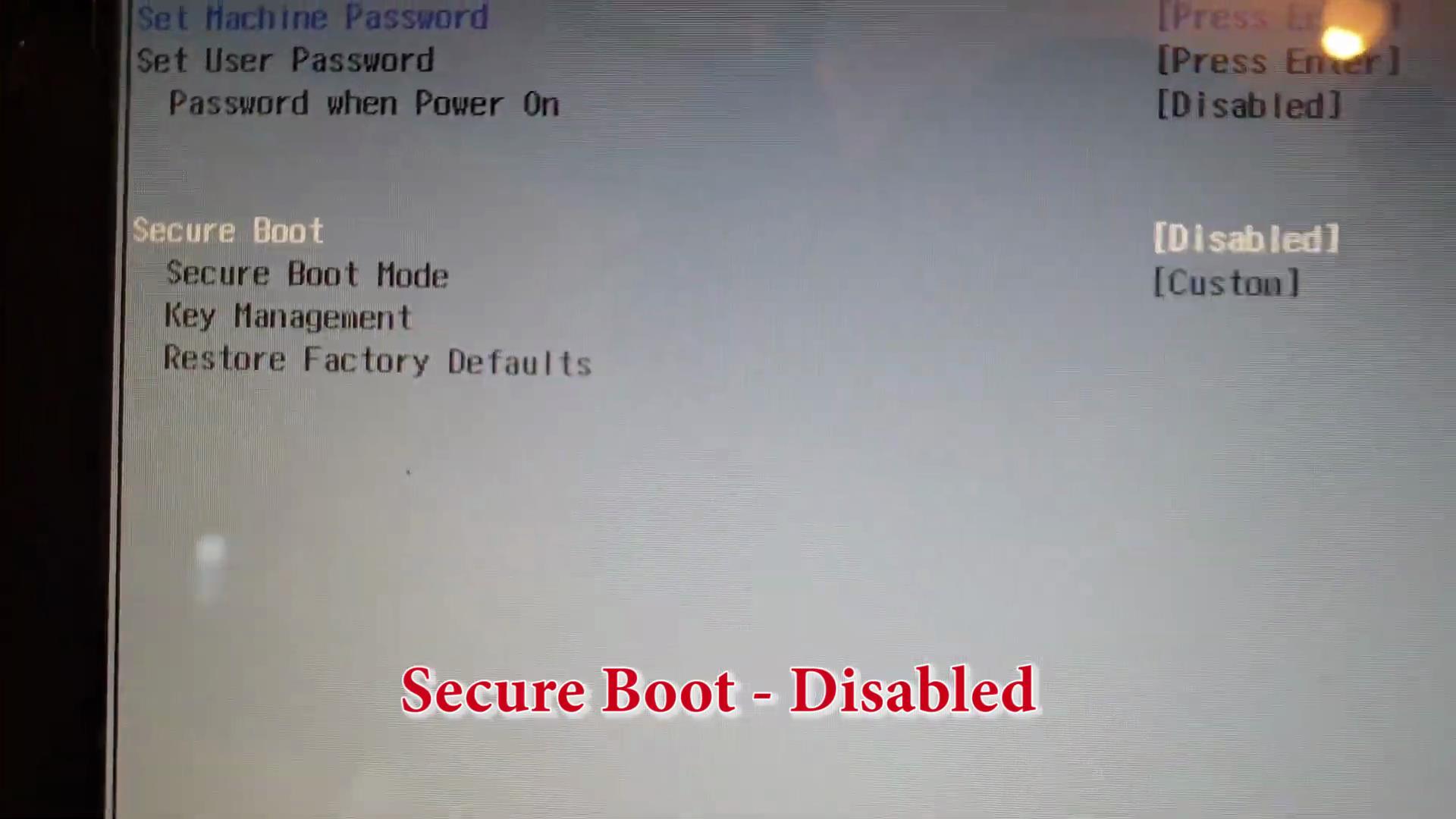
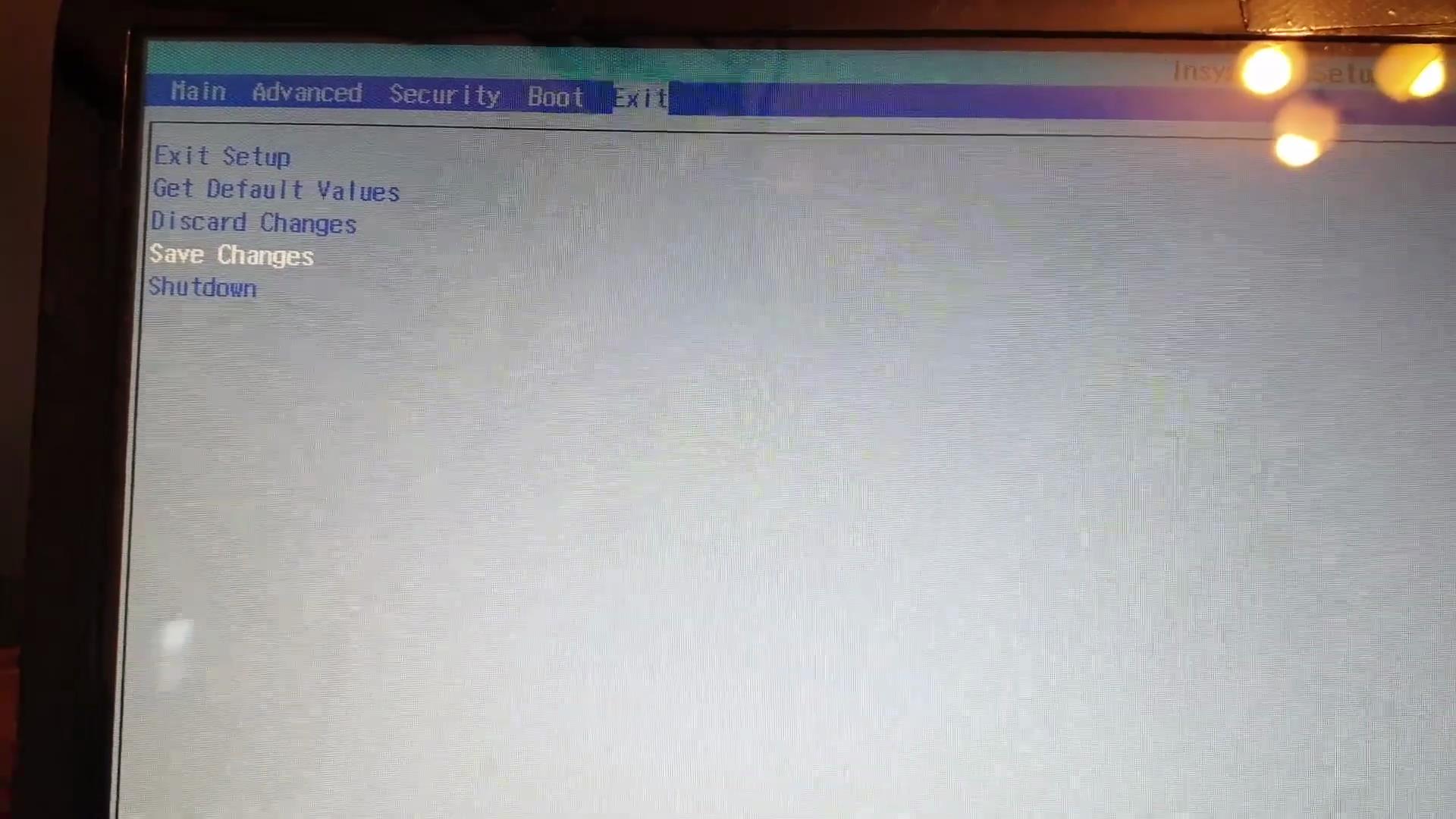
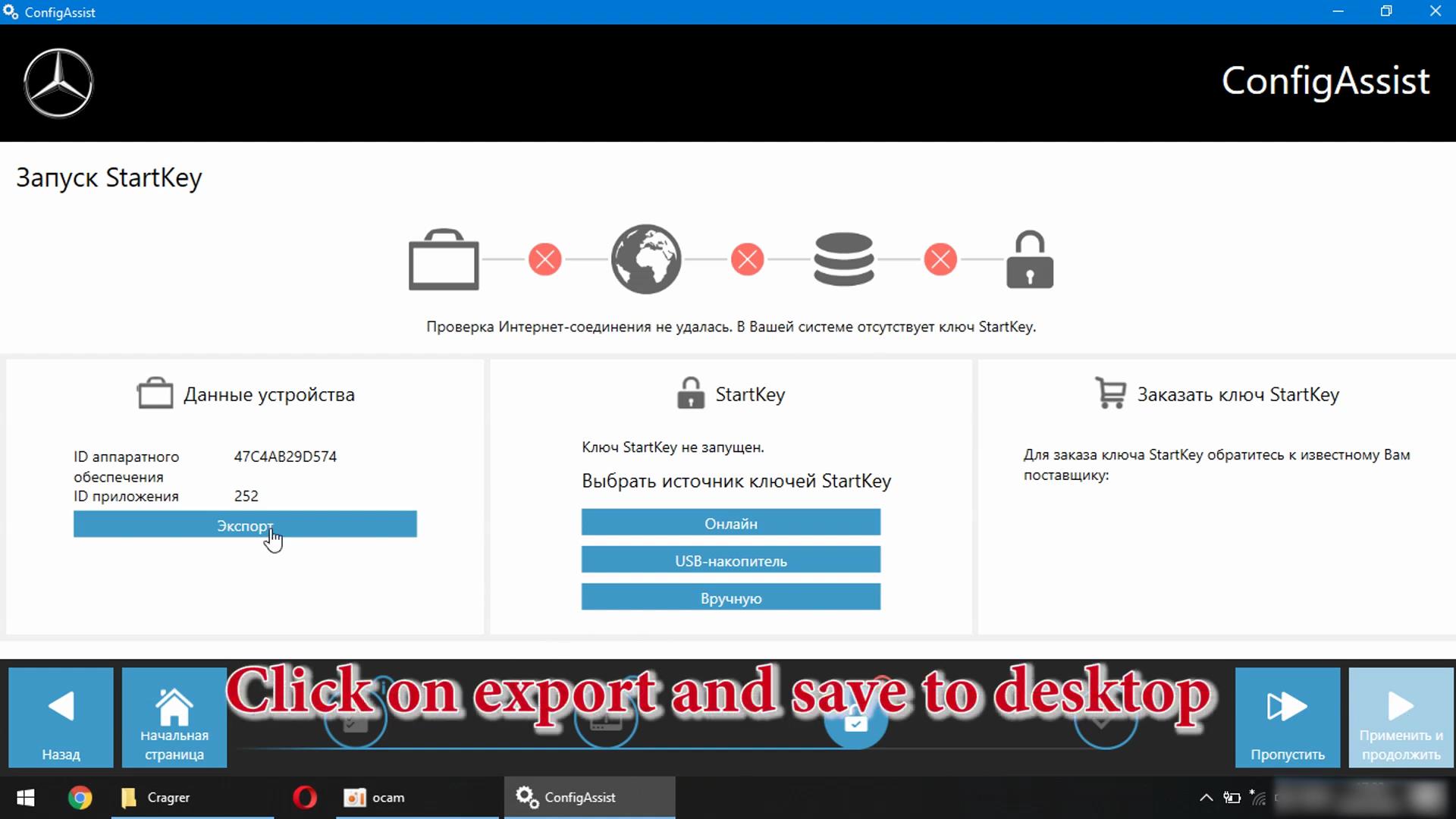
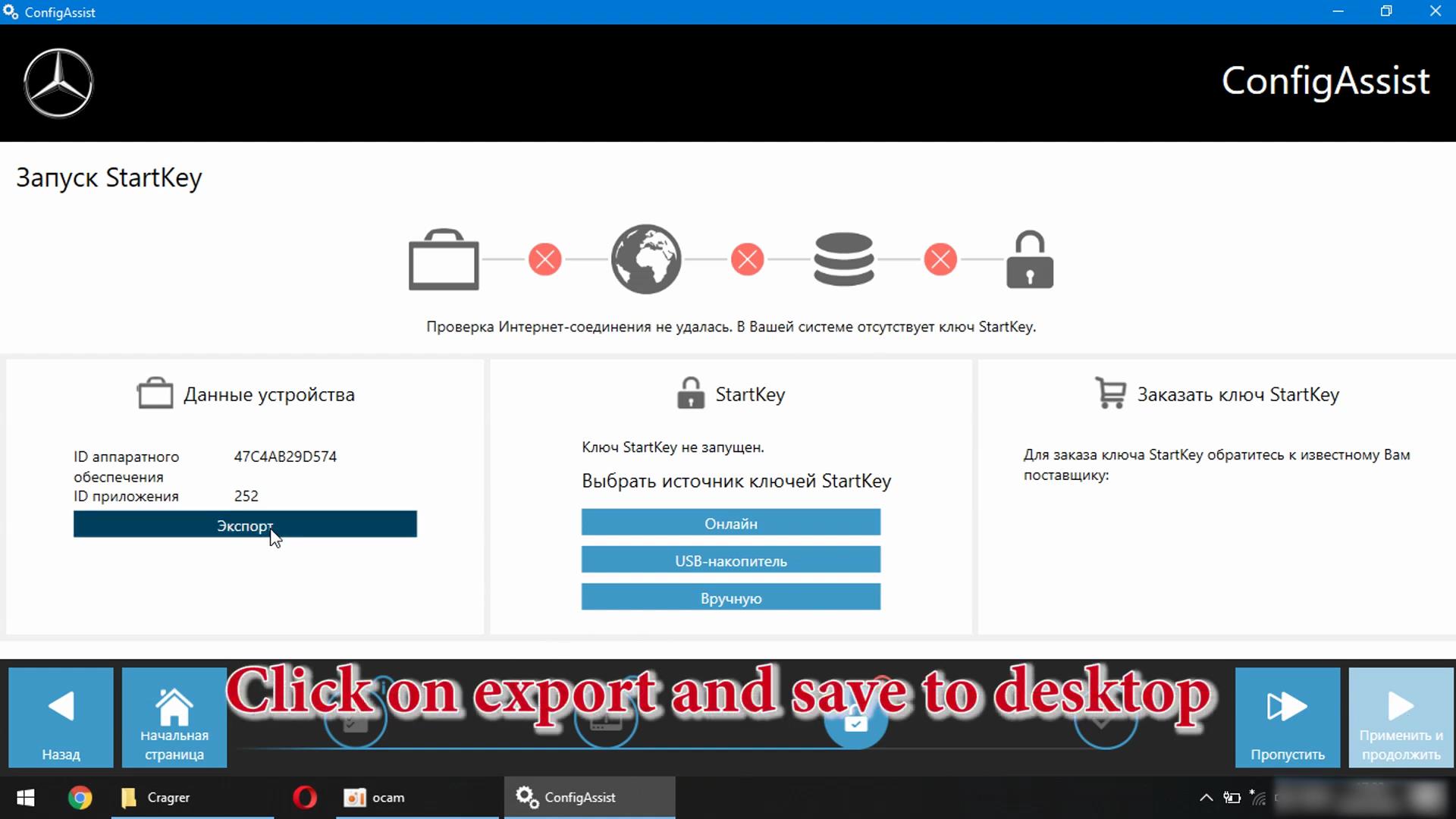
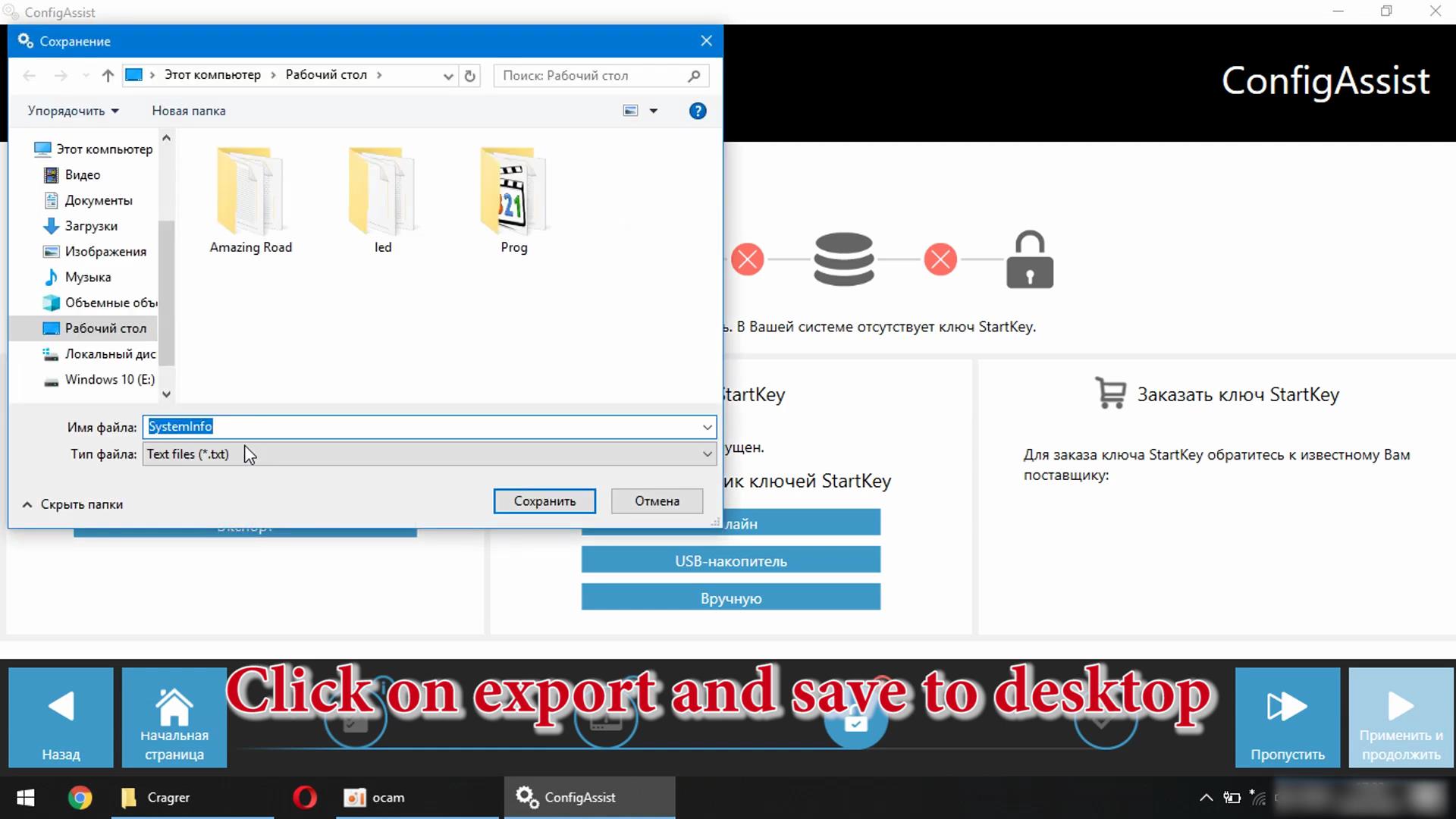
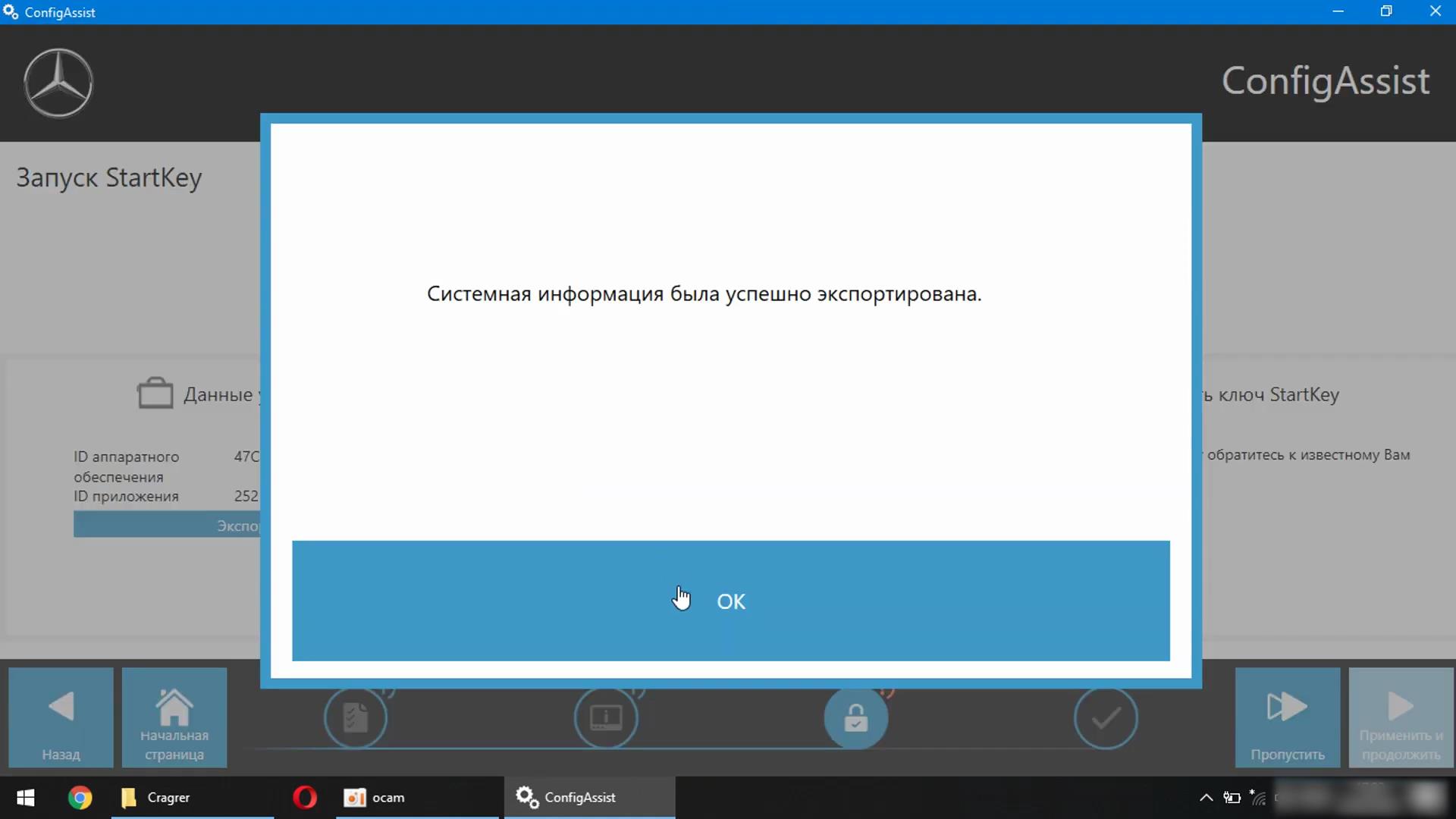
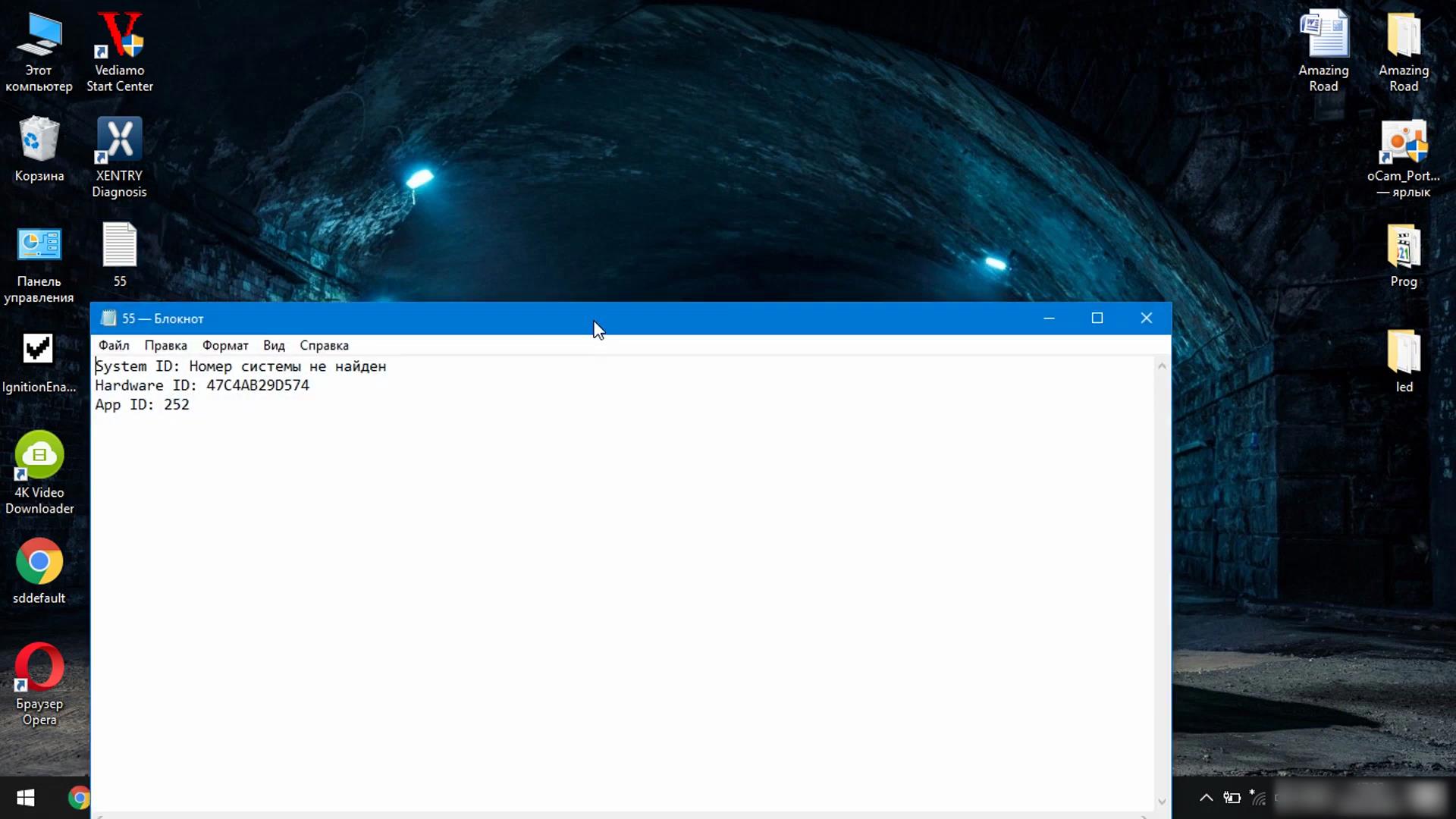
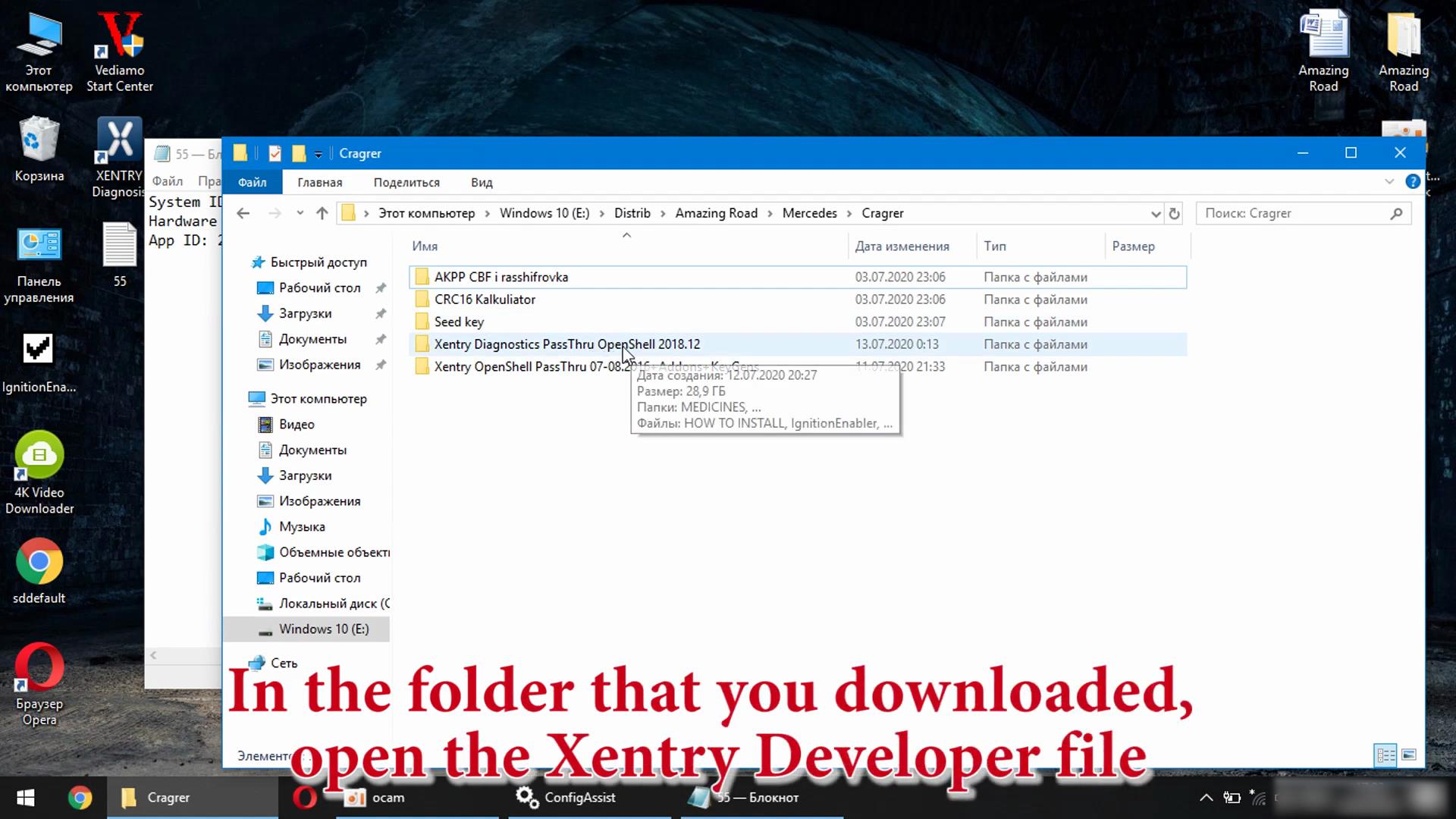
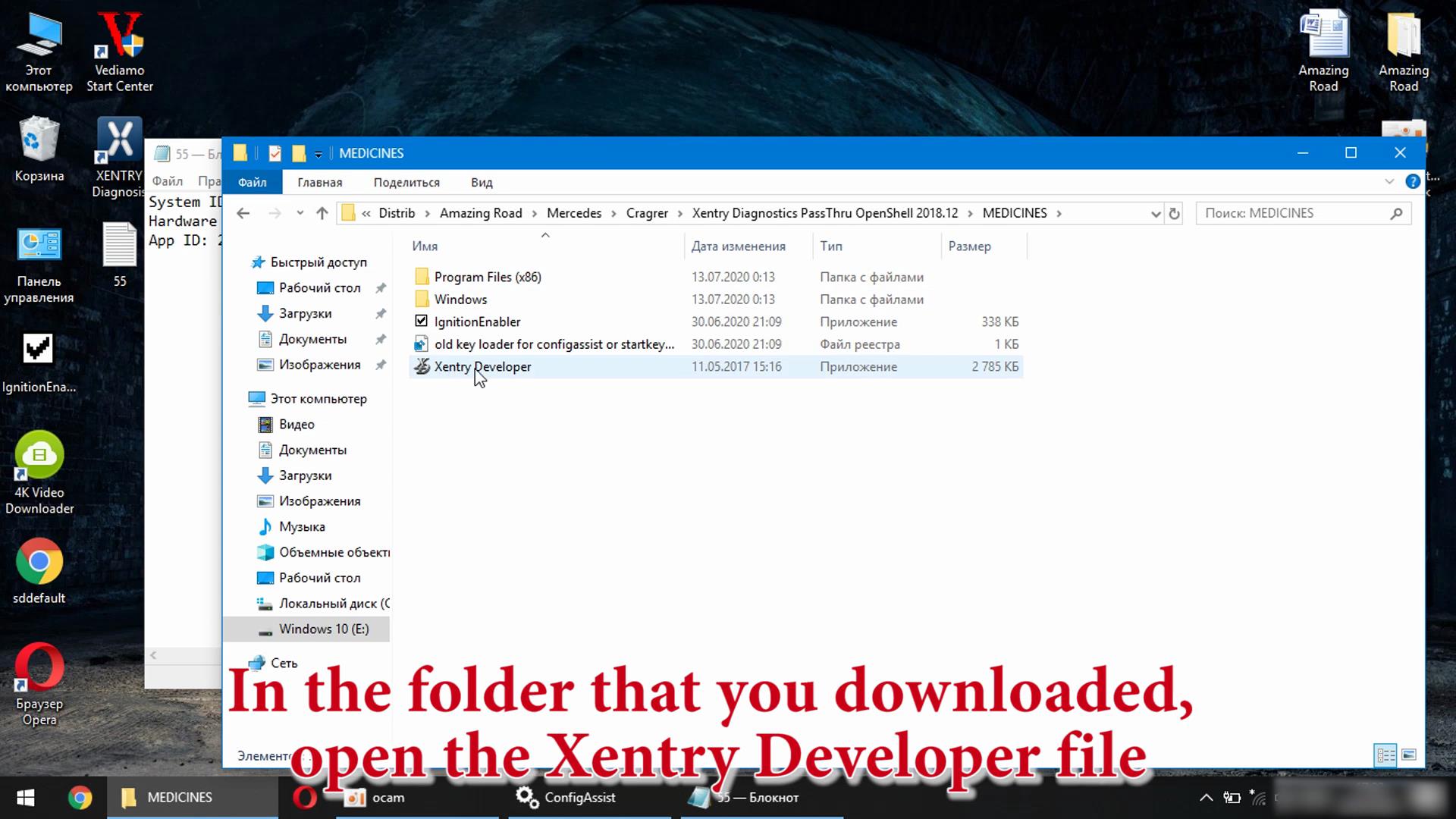
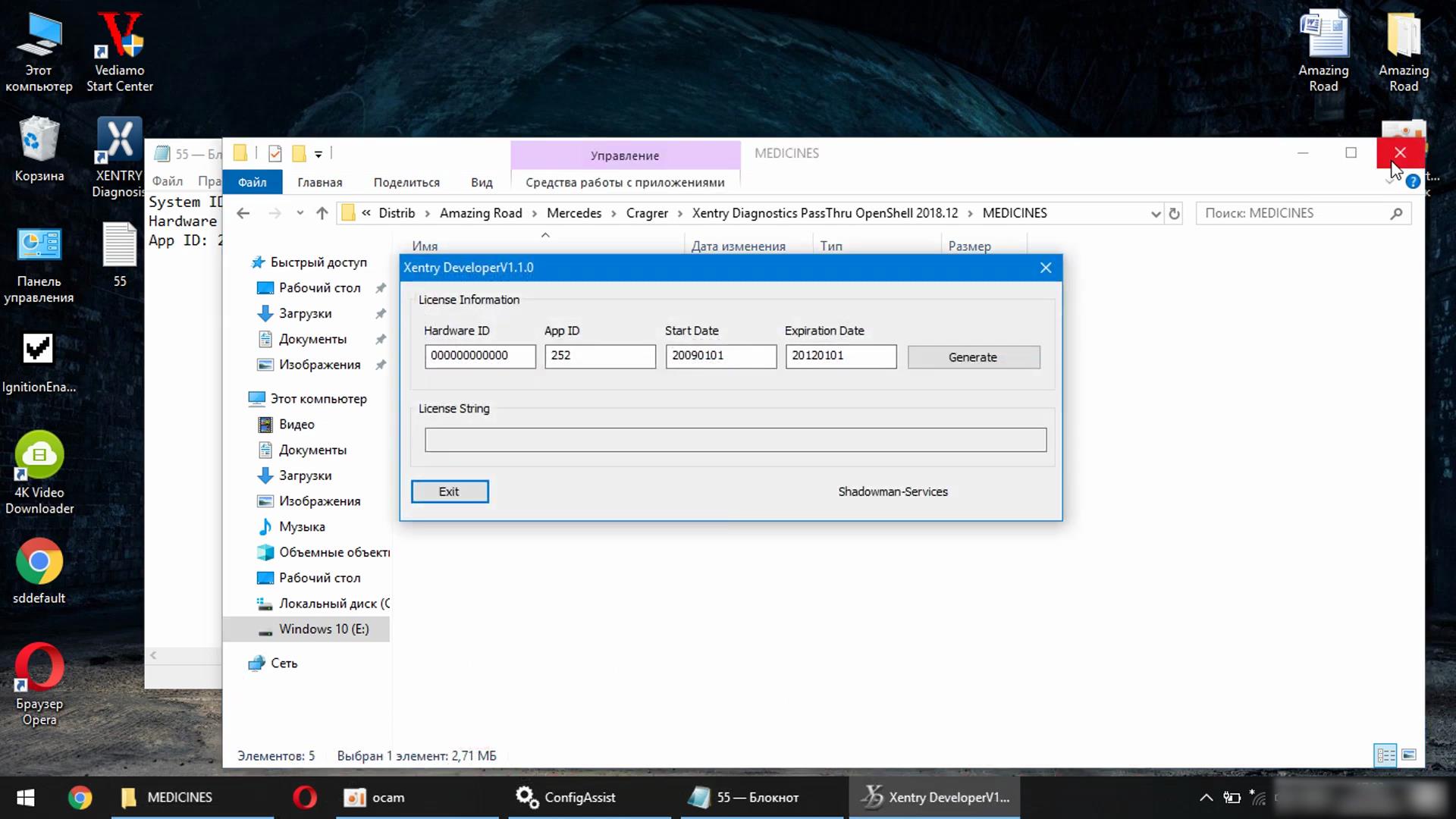
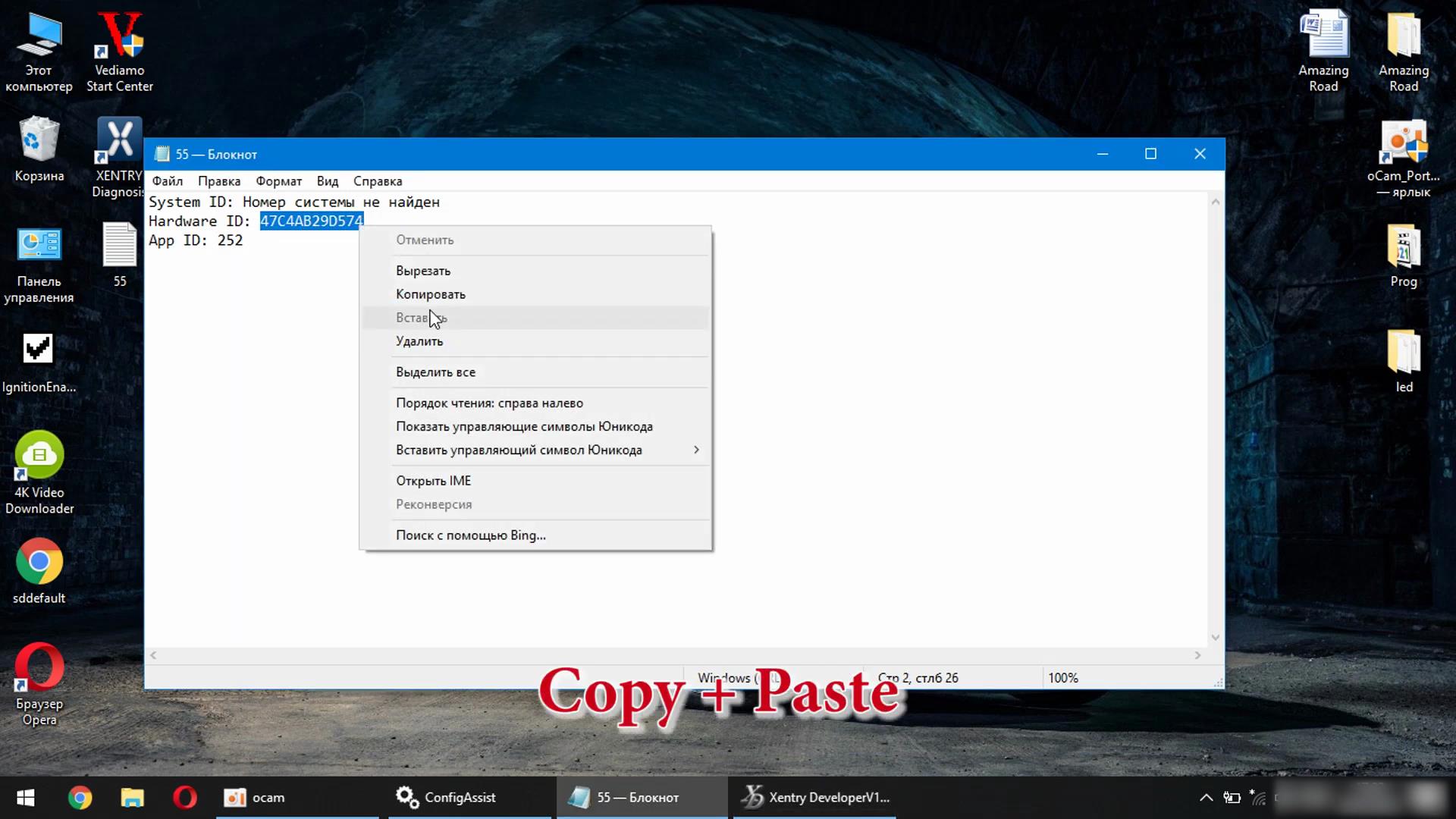
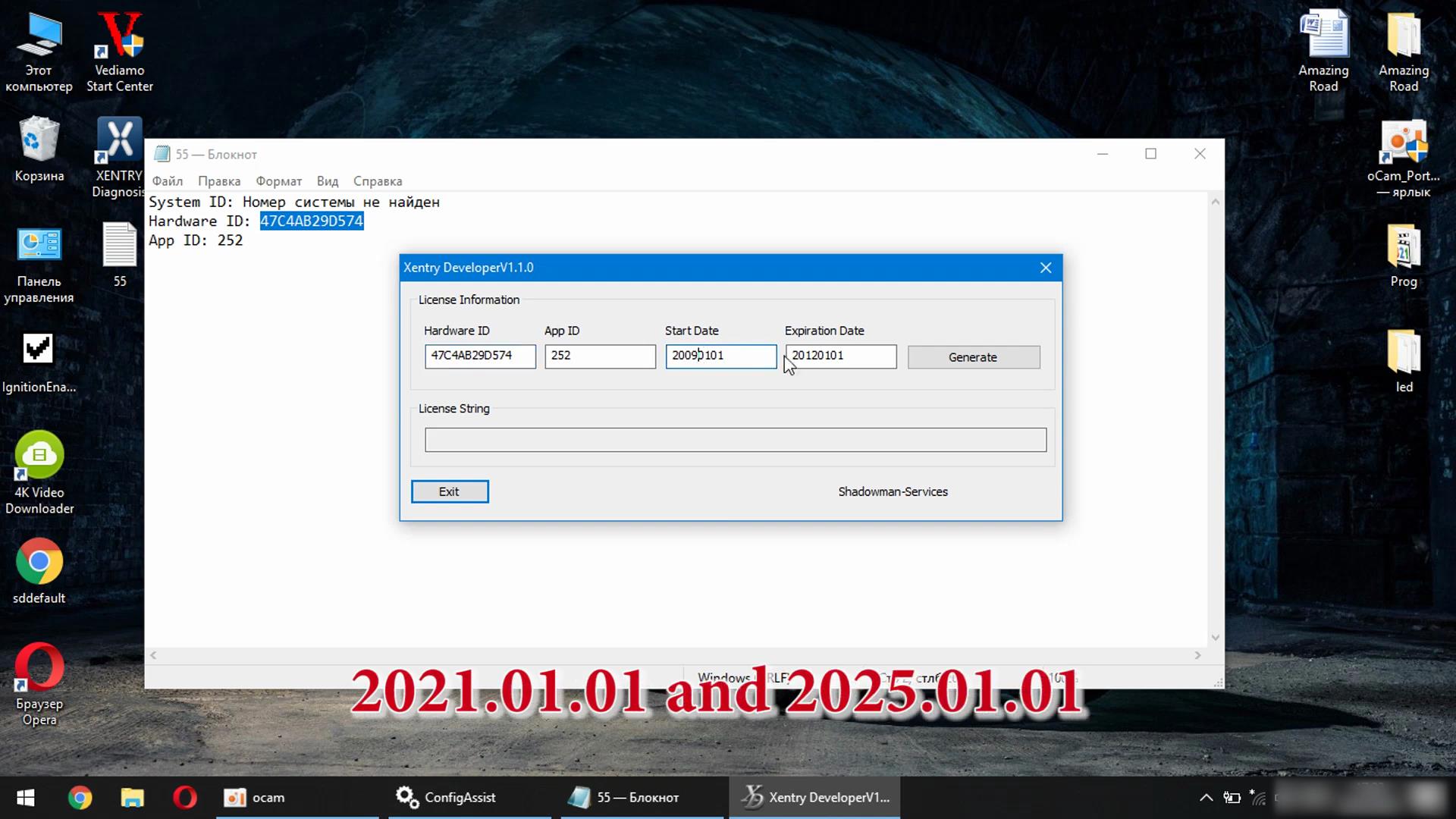
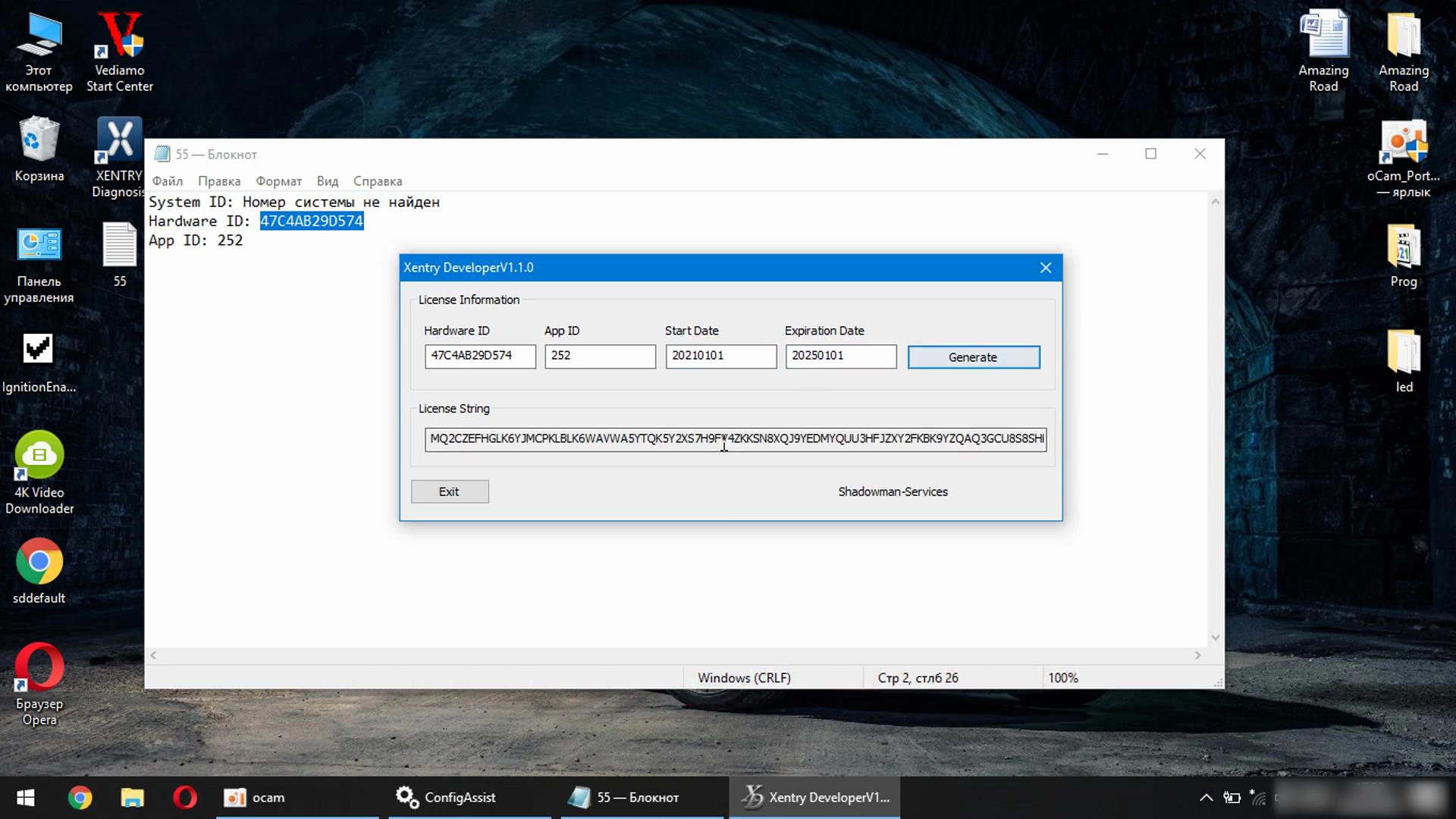
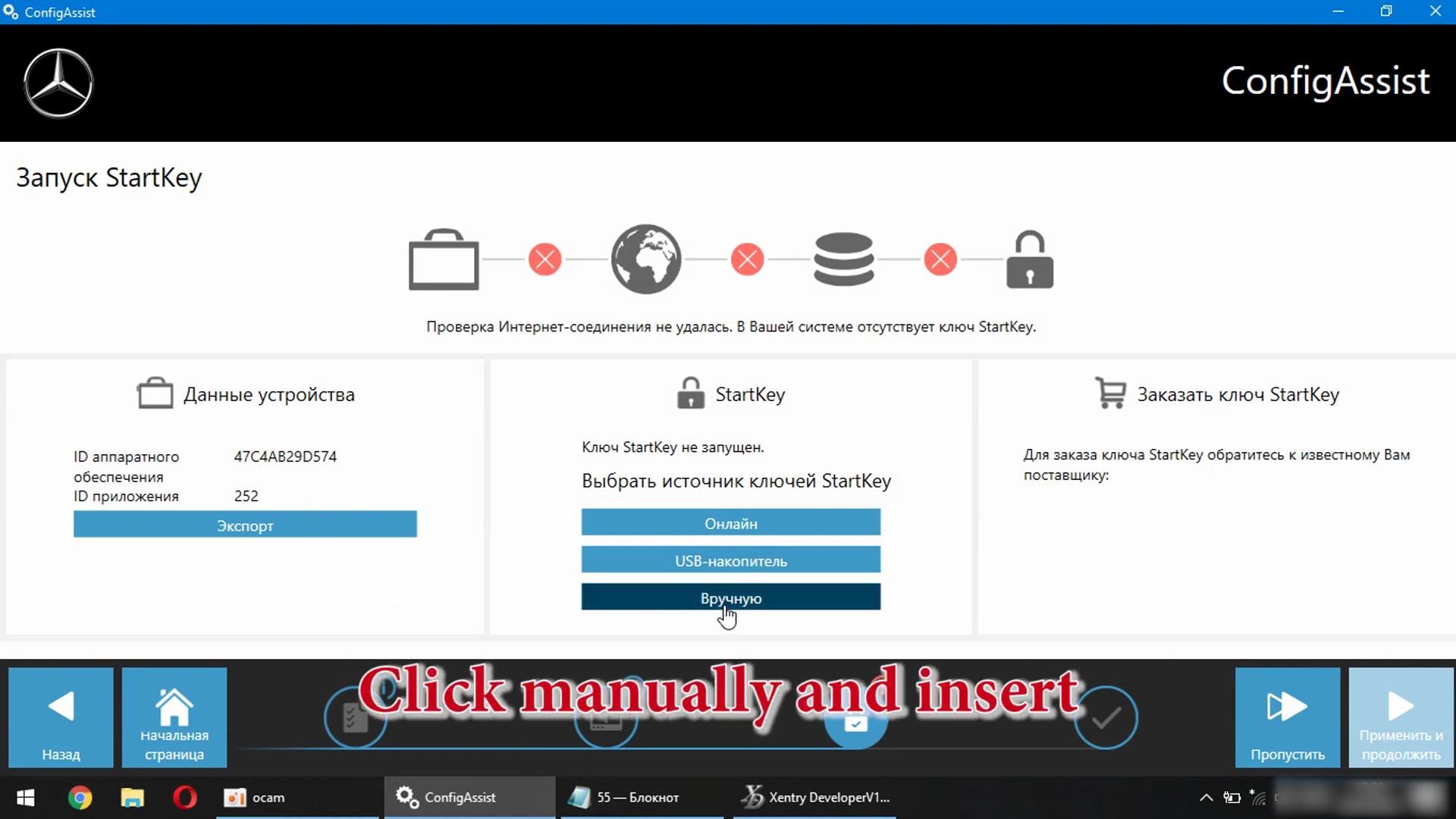
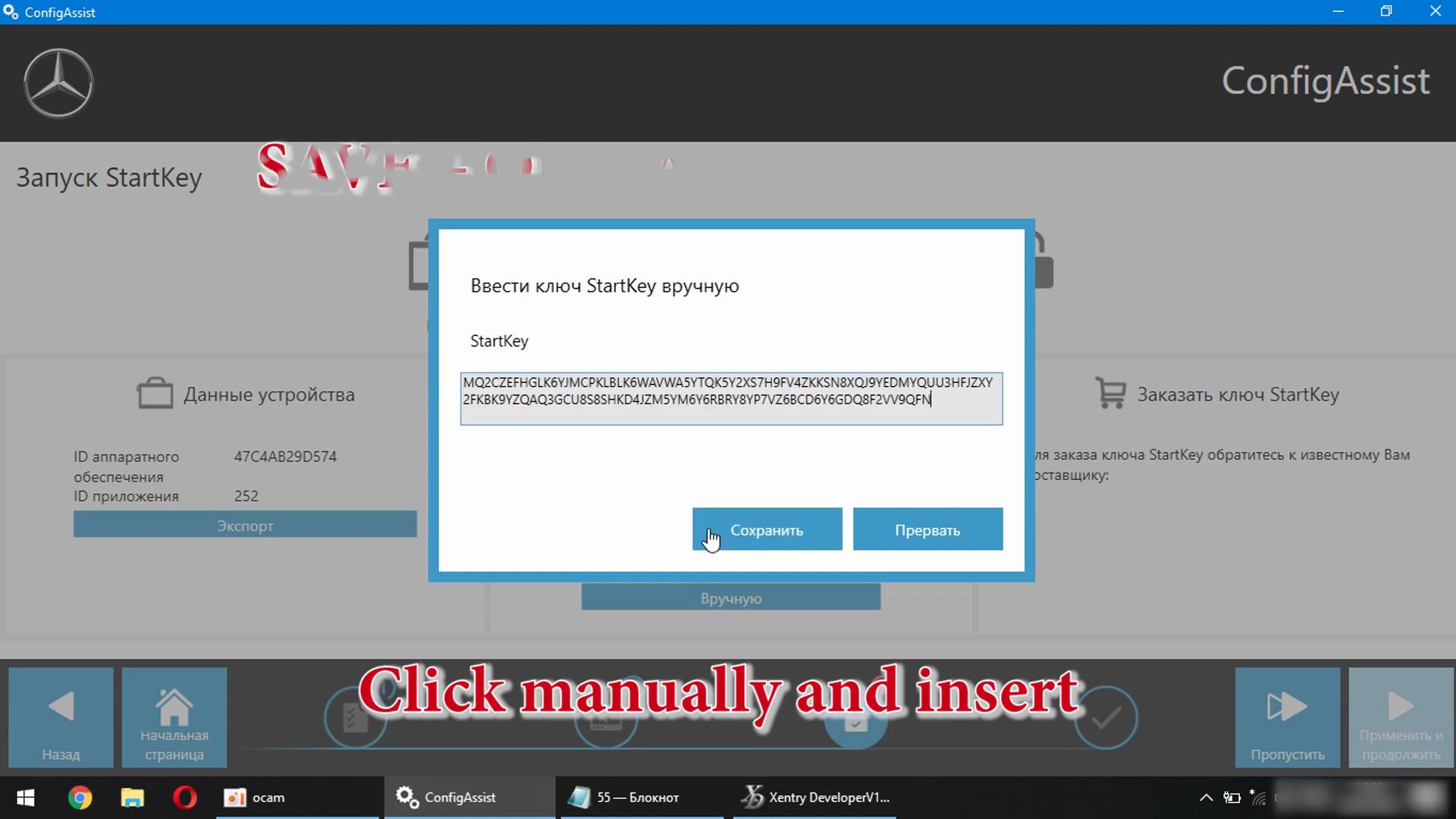
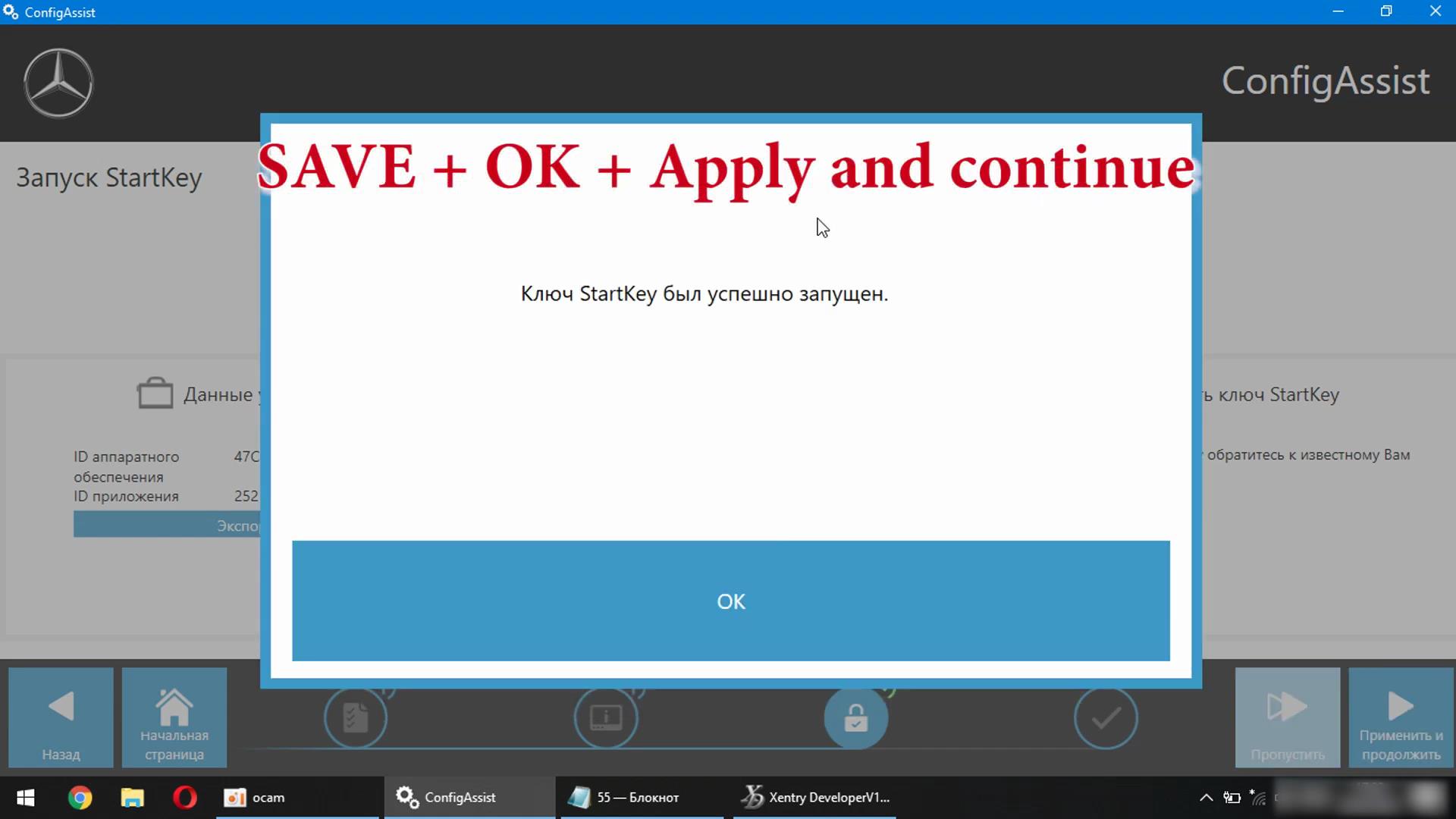
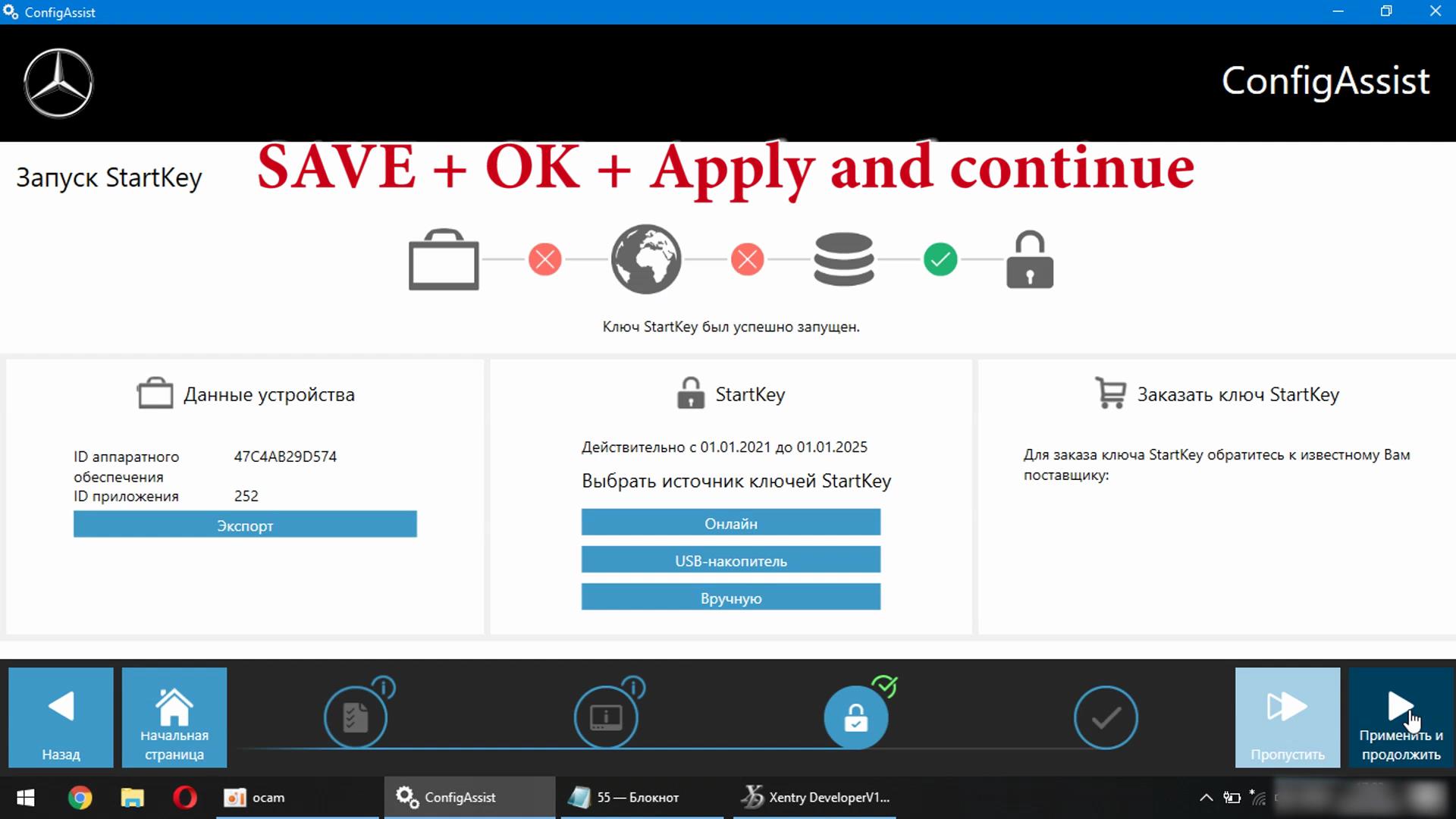
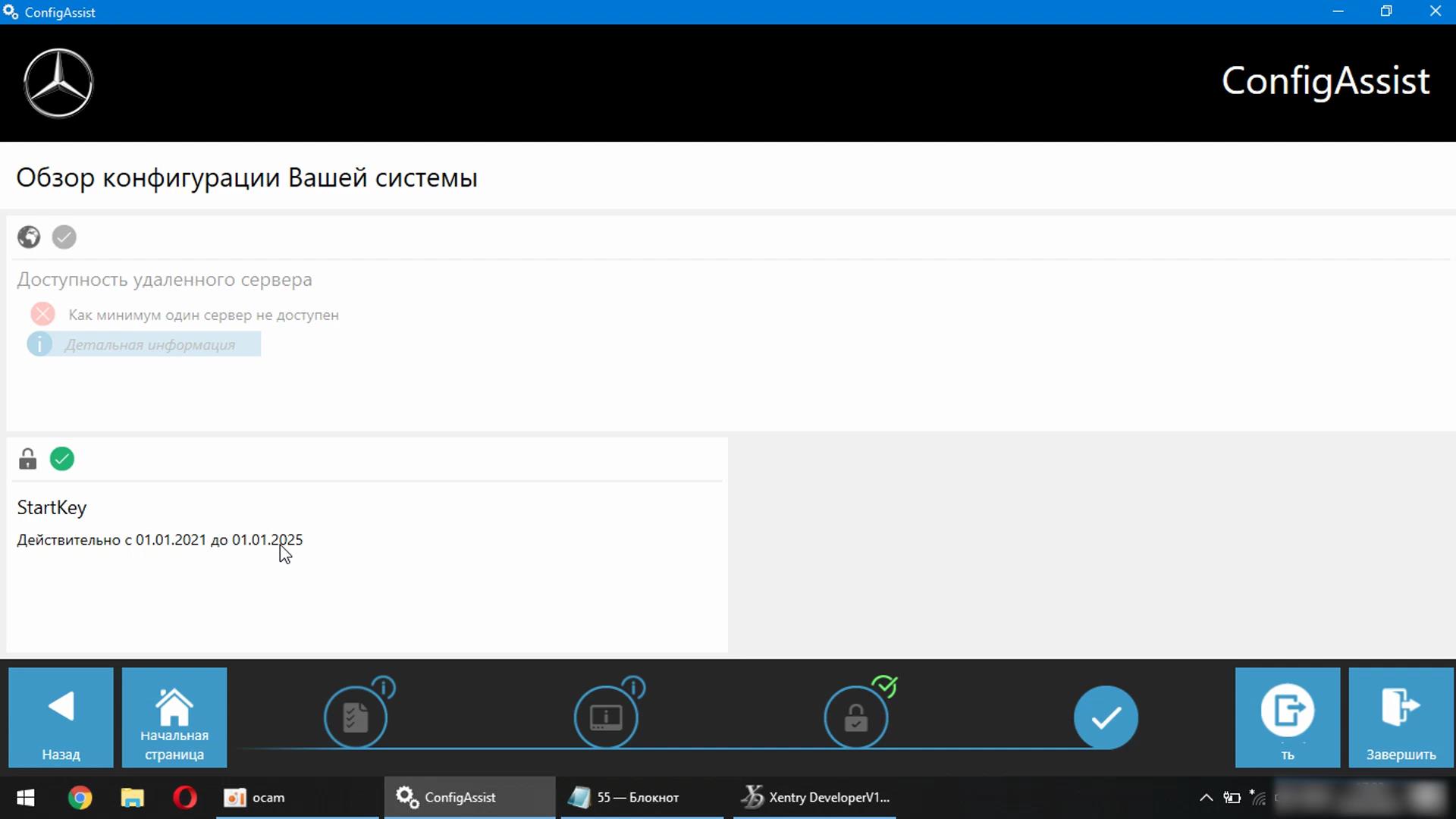
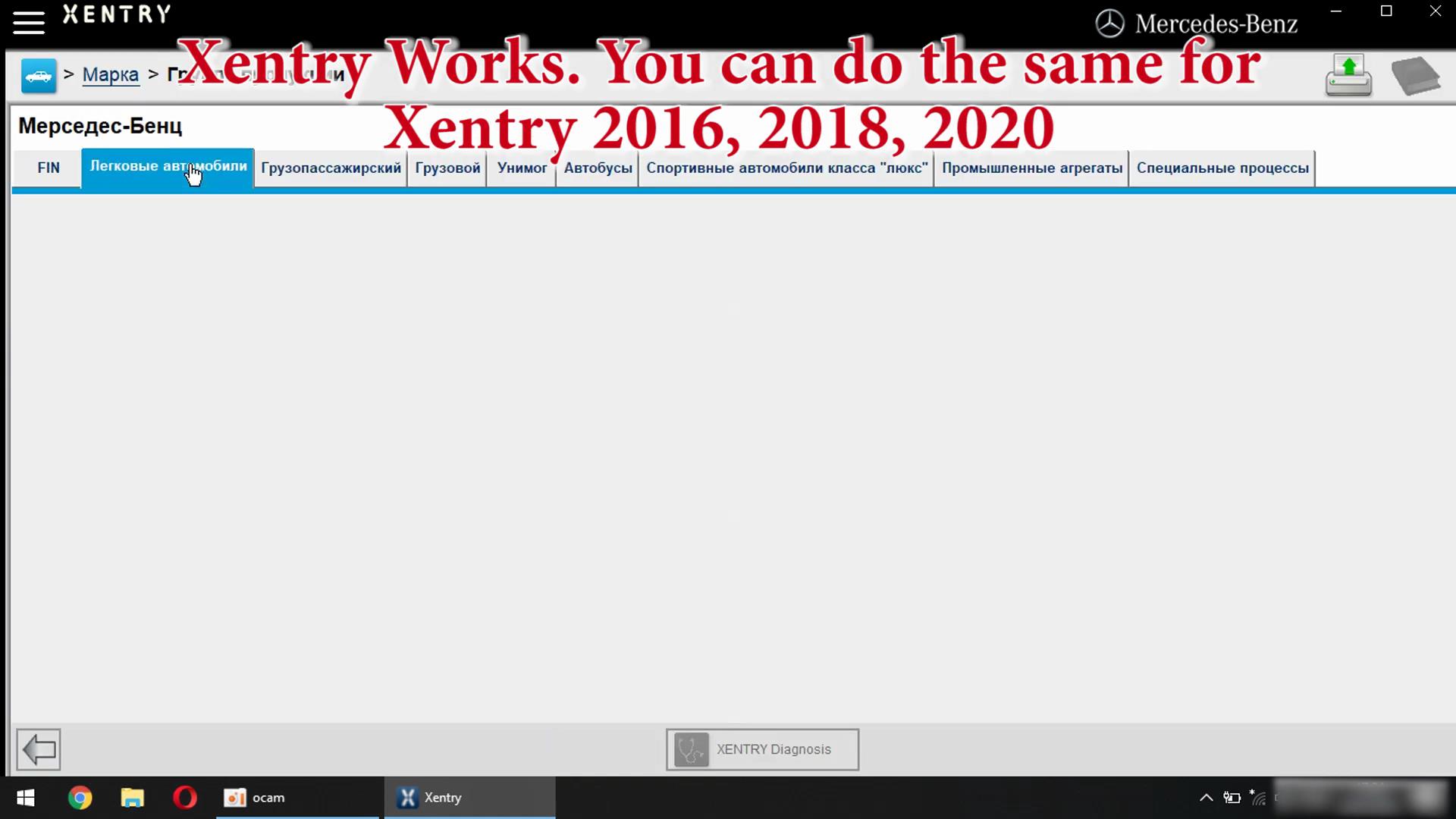
Look at the following images showing I do have access to the laptop star(xentry) deal:


Assuming you’ve tried clearing and it comes right back.
Click Tests, under the first picture, after you click the fault
within the module. Obviously the solenoid can be bad, there’s a chance
the conductor plate is/was bad or damaged in some way. I’d probably
throw a solenoid at it before replacing the conductor plate… especially
since it not a common fault, nor are there multiple faults present
either.
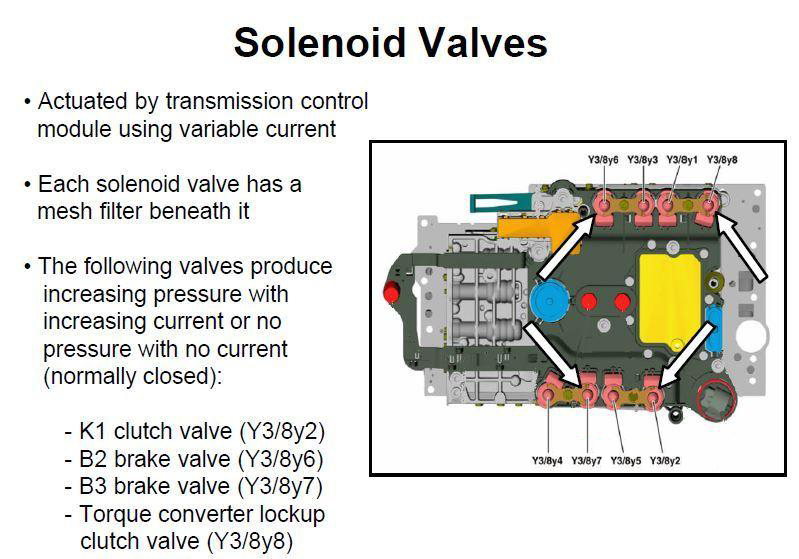
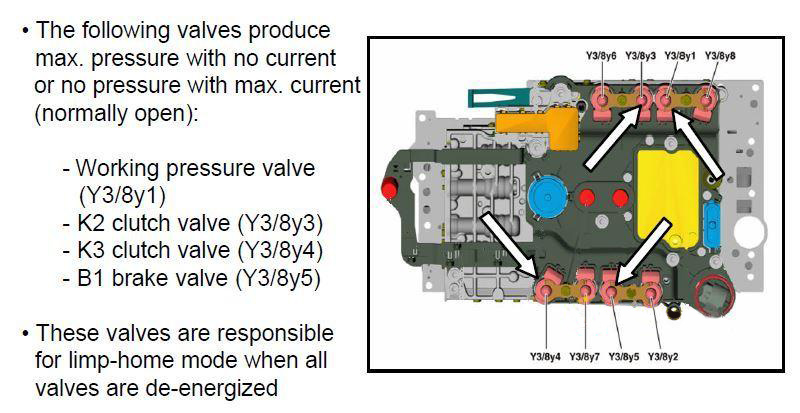
I suspect the solenoid in question is: Y3/8y1 Working pressure control solenoid valve.
Since you aren’t getting codes for the other solenoids… you could
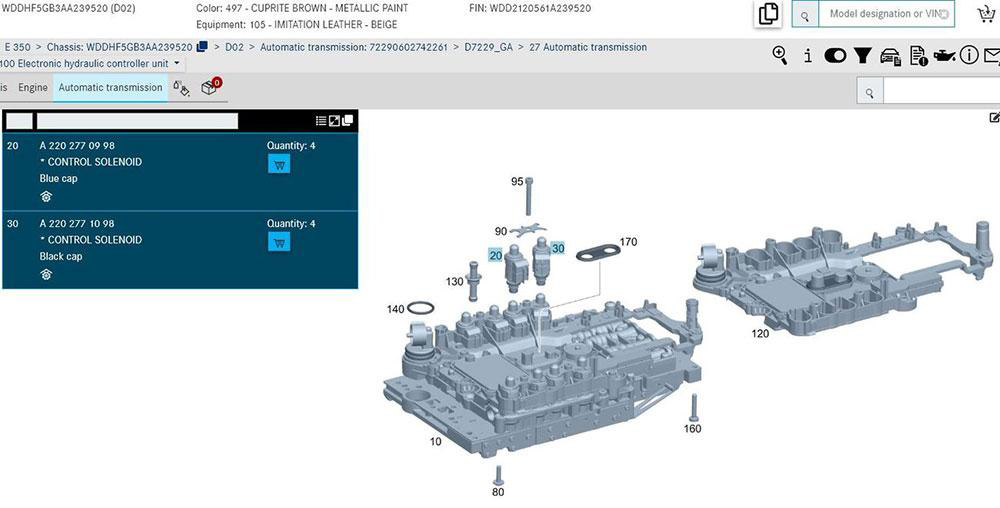
temporarily swap the “bad” one with a “like” colored solenoid (blue vs.
black) and rescan for codes. If the code doesn’t change.. then is likely
the conductor plate. If a new code pops up, then is likely the
solenoid. Don’t forget to put the solenoids back to original location.
The 722.9 doesn’t suffer from the same connector leaking issue as the
722.6. The .9 variant integrated the TCM into the conductor plate and
the connector is molded-in… so there’s nothing to leak into the vehicle
harness or connector. Totally different design. The only leak would be
past the o-rings on the molded connector and transmission body, which
would just be a leak… no affect on electrical connection.
0748 The internal electrical check of component Y3/8y2 (K1 clutch
control solenoid valve (VGS)) has failed. Solenoid filter(s) may need
cleaning, or replacement.


Does the car have ECO start/stop… if not the only transmission pump
is mechanical, e.g. engine needs to be running for it to be operational.
Now if it does have ECO, then there’s a electrical pump that runs.
That, I’m not sure of, whether it’ll run with the engine off vs. ECO
off. I suspect, it would only work during an ECO stop.
Yes, the conductor plate usually suffers from a certain fault.
However, electrical connections exist between the TCM>conductor
plate>solenoid… so there’s a possibility the conductor plate could be
bad. I think the likelihood is the solenoid itself is bad or dirty. I’d
be inclined to swap test and/or replace the solenoid first, before
throwing other parts at it.
Finally Update:
Finally, I highly recommend a brand new one……. But you will not be
able to purchase this part. Only shops with licensing through NASTF can
purchase this part from dealer, here in the US. And even if you were
able to purchase, then you would need access to the online system for
programming and SCN coding. Is possible to do offline with Vediamo and
DTS Monaco (Runing for sdconnect c4 plus DOIP), also. You just need to
find the correct CBF and Coding.
Abrites can virginize and change the VIN, but comes at a high price. I
highly doubt the Chinese will be able to log in to the online system
with your set up. Mercedes is blocking unauthorized laptops/PC’s. Pretty
much whether you are installing a new or virginized one, the steps are
the same. Valve body flow data needs to be read and transferred. After,
you need to perform programming, SCN coding, personalization, activation
and range sensor calibration.